The best time to visit Ha Giang depends on the kind of journey you have in mind. As the weather changes throughout the year, so do the mountain scenery and conditions along the Ha Giang Loop, giving each period its own character. Choosing the right time can bring clearer mountain passes, golden rice terraces, colorful flower fields or quieter days on the road. So, when should you go to experience Ha Giang at its best? Ha Giang Expeditions will help you find the right time for your journey based on the weather, seasonal scenery and experiences each period has to offer.
Table of contents
When Is the Best Time to Visit Ha Giang?
The best time to visit Ha Giang is generally from September to November. By this time, the heaviest summer rains have usually eased, temperatures become more comfortable, and conditions are more favorable for traveling through the mountains. It is also one of the most rewarding periods for experiencing Ha Giang’s seasonal scenery.
Another favorable period is March to May, when the weather is generally mild and heavy rainfall is less frequent than during the summer months. This makes spring particularly suitable for travelers who place greater importance on comfortable conditions for the Ha Giang Loop.
While these periods offer some of the most favorable conditions, Ha Giang remains a year-round destination. Weather and scenery change considerably with each season, so knowing these differences can help you decide whether the classic best time is truly the right time for your trip.
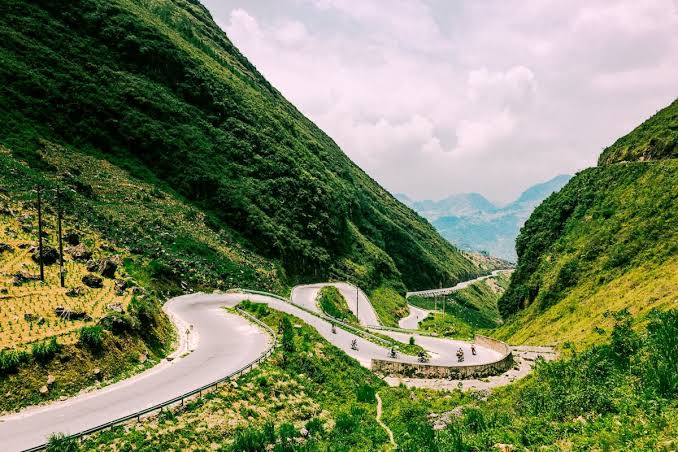
Ha Giang Weather Through the Seasons
Ha Giang’s mountainous terrain creates distinct weather patterns across the year, with each season bringing its own temperatures, rainfall levels and travel conditions. Looking at each season more closely will give you a clearer idea of the conditions you may encounter and how they could shape your journey.
Spring (March – May): Mild Days and Blooming Mountains
Spring brings some of the most comfortable weather for traveling through Ha Giang. Average daytime temperatures around Ha Giang rise from about 23°C (73°F) in March to 27°C (81°F) in April and 29°C (84°F) in May. Mornings and evenings can still feel cool, particularly in higher areas such as Dong Van and Meo Vac, while rainfall gradually becomes more frequent as May approaches.
March and April are especially pleasant for spending more time outdoors, whether stopping at viewpoints, walking through villages or taking short hikes along the route. Without the heavier summer rains, spending several hours on mountain roads tends to be more comfortable, leaving more time for stops at viewpoints, villages and short walks along the route. Early spring may still bring peach and plum blossoms to parts of the region, although their timing varies depending on the weather each year.
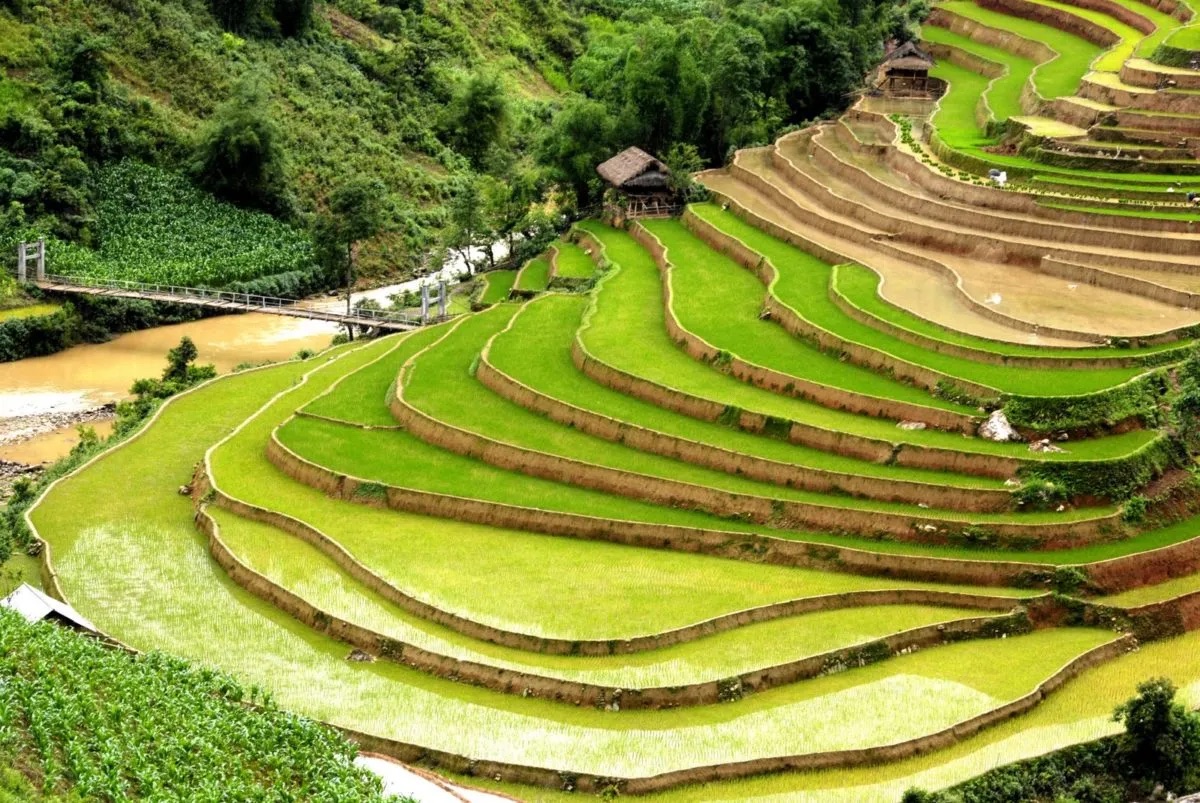
By May, Ha Giang begins to take on a different look. Rainfall increases and water starts filling terraced fields as local communities prepare for the new rice crop. The reflective terraces of the water-pouring season add another reason to visit, especially for travelers more interested in rural landscapes and photography than consistently dry riding conditions.
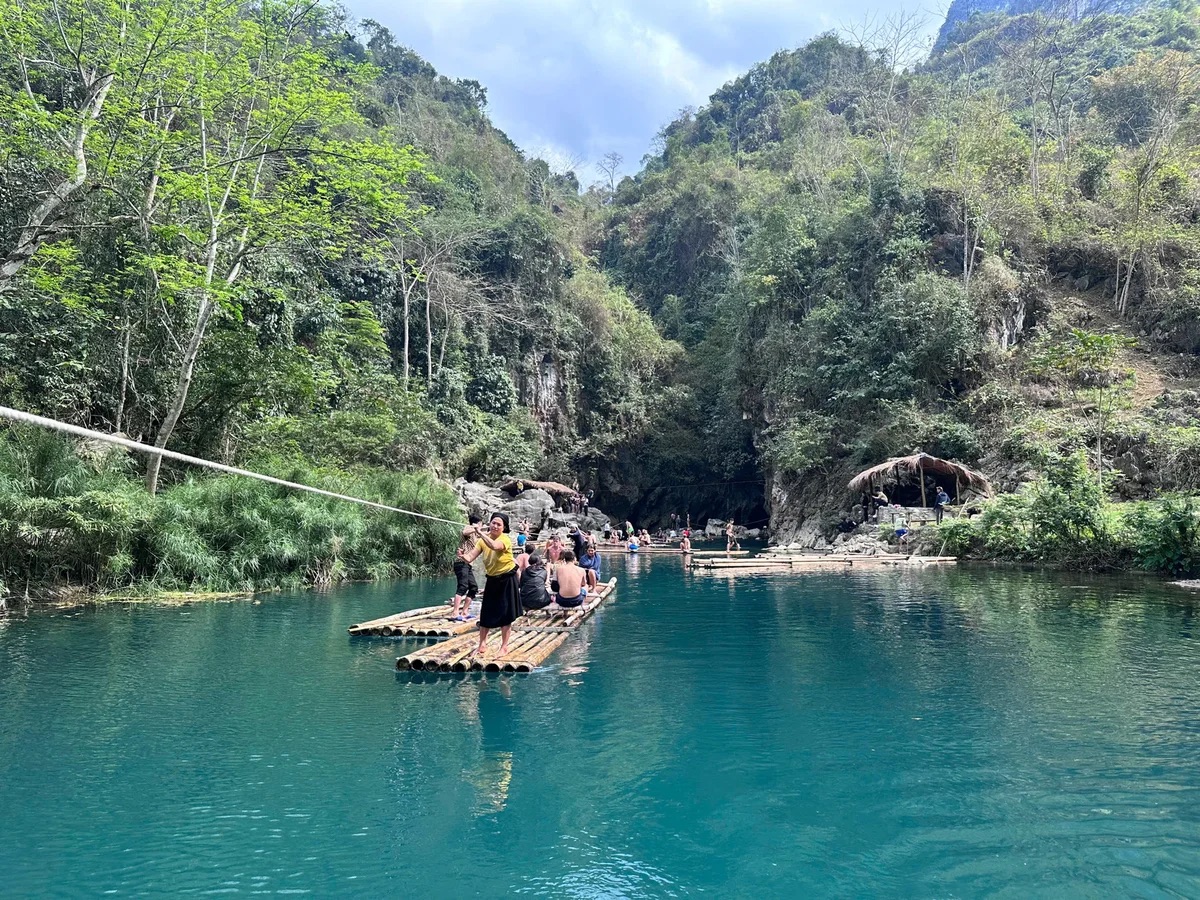
Best for: First-time Ha Giang visitors, riders looking for relatively comfortable weather, photographers, and travelers who prefer spending plenty of time outdoors.
Tip: Bring a light jacket or windproof layer for early-morning and evening rides, even when daytime temperatures are warm.
Summer (June – August): Lush Scenery in the Rainy Season
Summer is the warmest and wettest period in Ha Giang, with daytime temperatures generally in the upper 20s°C and rainfall becoming more frequent through June, July and August. The mountain climate means conditions can change quickly, so a sunny morning may give way to clouds or a sudden shower later in the day.
All that rain has a beautiful effect on the landscape. Rice terraces and valleys turn intensely green, vegetation covers the mountainsides, and waterfalls become fuller after periods of rain. If you picture Ha Giang as layers of green mountains stretching into the distance, summer comes particularly close to that image.
Rain does require more attention when traveling the Ha Giang Loop. Wet surfaces, lower visibility and occasional heavy downpours can make some mountain sections more demanding, especially for inexperienced riders. Allowing some flexibility in your schedule is useful during this period, as road and weather conditions may influence how the day unfolds. If you are considering riding independently, our Ha Giang Loop safety guide for beginners covers the road conditions, riding skills and other factors worth considering before making that decision.
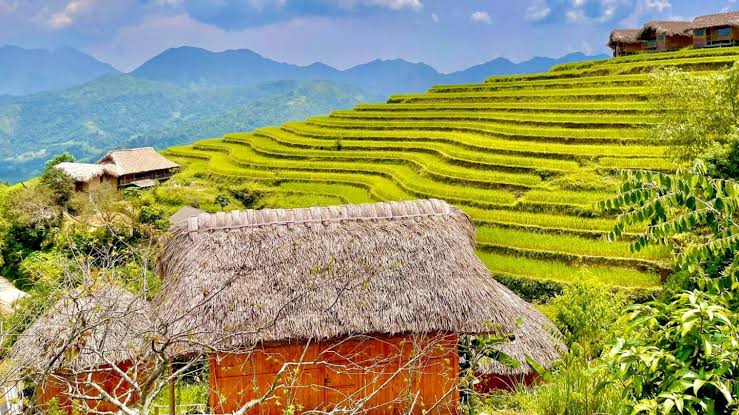
Best for: Returning visitors who want to see a different side of Ha Giang, adventurous travelers who are comfortable with less predictable conditions, and travelers who prefer a quieter, slower-paced journey.
Tip: Keep a lightweight rain jacket or poncho somewhere you can reach quickly, along with a waterproof bag for your phone, passport and electronics. Pack these items before setting off rather than burying them inside your main luggage, mountain showers can arrive quickly.
Autumn (September – November): Golden Fields and Clearer Days
Autumn is widely considered one of the best seasons to visit Ha Giang, as the summer rains gradually ease and cooler, drier conditions return to the mountains. September can still carry some lingering rain, but the weather generally becomes more settled through October and November. By late autumn, mornings and evenings begin to feel noticeably cooler, particularly across the Dong Van Karst Plateau and other high-elevation areas.
What makes this season especially rewarding is how quickly the landscape evolves. September and early October bring the golden rice season, when terraced fields across areas such as Hoang Su Phi turn shades of yellow before the harvest. As the rice season comes to an end, another signature landscape begins to appear. Buckwheat flowers usually bloom around October and November, adding patches of pink, white and purple across valleys, hillsides and villages.
This seasonal transition makes autumn particularly rewarding for a longer journey through Ha Giang. Rather than seeing the same landscape throughout the route, you may encounter rice fields, harvested terraces and flower-covered hills as you move between different elevations and districts.
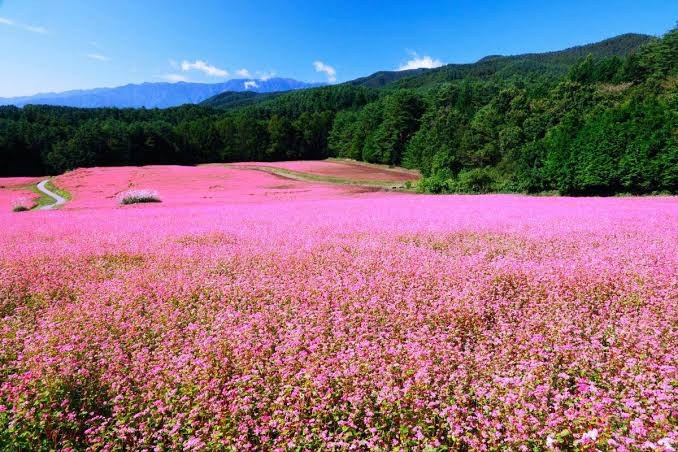
Best for: First-time visitors, landscape photographers, couples, and travelers planning to spend several days in Ha Giang.
Tip: Rice does not ripen or get harvested at exactly the same time across Ha Giang. If golden terraces are a priority, check the local harvest situation close to your departure date rather than relying solely on a fixed calendar.
Winter (December – February): Cold Air and Misty Mountain Roads
Winter is the coldest season in Ha Giang. Daytime temperatures generally range around 10 – 20°C (50 – 68°F), while nights and early mornings can fall below 10°C (50°F). In higher areas such as Dong Van and Meo Vac, cold spells can push temperatures down to just a few degrees above freezing. Combined with wind and high humidity, it can feel considerably colder when riding through exposed mountain passes.
December tends to be relatively dry, while January usually brings some of the chilliest conditions of the season. Fog is common in the highlands and may cover mountain roads in the morning, giving places such as the Dong Van Karst Plateau a quieter, more atmospheric character. By February, the landscape begins to shift again as peach and plum blossoms start appearing around some villages and valleys, although flowering times vary each year.
Winter calls for a slower approach to the Ha Giang Loop. On foggy mornings, waiting for better visibility before setting out can make the journey more comfortable, while shorter daylight hours are another reason to avoid packing too much distance into one day. You can find a fuller list of clothing and essentials in our Ha Giang Loop packing list.
Best for: Travelers who enjoy quieter journeys, cooler climates and a slower pace, as well as returning visitors interested in seeing a less familiar side of Ha Giang.
Best Time to Do the Ha Giang Loop
The best time to do the Ha Giang Loop depends heavily on road and weather conditions in the mountains. Rain, fog and seasonal temperatures can shape both the pace and comfort of the ride, so some periods require more preparation than others.
Best Months for Comfortable Riding Conditions
For most travelers, March to April and September to November are the best months to do the Ha Giang Loop. These periods generally give you more opportunities to follow the planned route without weather playing too large a role in the day.
They are particularly suitable for first-time visitors who want to experience the classic Loop at a comfortable pace. Stops at viewpoints, villages and attractions can fit naturally into the day, and a 3-day Ha Giang Loop or 4-day Ha Giang Loop is easier to follow without building too much flexibility around the weather.
Ha Giang Loop in the Rainy Season
Doing the Loop during the rainy season is still possible, but flexibility becomes more important than sticking closely to a fixed schedule. A section that is suitable in the morning may need more time later in the day if local conditions change.
For this reason, it helps to leave some room in the itinerary for later departures, longer stops or route adjustments when necessary. Travelers with limited riding experience may also feel more comfortable choosing an Easy Rider Ha Giang Loop tour, where a local rider handles the motorbike and can respond to conditions along the route.
Riding the Loop in Winter
For a winter Loop, avoid setting off too early when dense fog covers the high passes. Plan your day around the available daylight and aim to reach your overnight stop before dark, particularly on routes through Dong Van and Meo Vac.
Choosing the Right Time for Your Ha Giang Trip
There is no single month that suits every Ha Giang journey. Your travel dates can be narrowed down much more easily once you know which part of the experience matters most to you.
| If you’re looking for… | Best time to go |
| A first trip to Ha Giang | March – April, September – November |
| Golden rice terraces | September – early October |
| Buckwheat flowers | October – November |
| Peach and plum blossoms | January – March |
| The water-pouring season | May – June |
| Ha Giang at its greenest | June – August |
| A quieter journey | December – February |
Seasonal highlights can arrive a little earlier or later depending on the year’s weather. If golden rice fields or flower season is high on your list, Ha Giang Expeditions can help you check the latest local conditions and choose travel dates that give you a better chance of seeing them.
See Ha Giang at Its Best with Ha Giang Expeditions
With years of experience guiding travelers through Ha Giang, Ha Giang Expeditions understands how the region changes with the seasons and what makes each period worth experiencing. This local experience allows us to choose suitable routes and stops based on the time of year, so every journey can make the most of what Ha Giang has to offer.
Whether you have two days or several days for the Loop, there is always a journey that can fit your schedule and interests. Contact Ha Giang Expeditions and share your travel dates with us. Our team will help you choose a suitable itinerary and make your time in Ha Giang truly memorable.
For tour bookings and further information, contact us:
- Ms. Hana: (+84) 8686 433 38
- Ms. Phuong: (+84) 39 767 98 89
- info@hagiangexpeditions.com