The Ha Giang Loop promises breathtaking mountain scenery and unforgettable adventures, but how safe is it to explore? With steep mountain passes, sharp bends, unpredictable weather, and challenging road conditions, safety remains an important concern for travellers planning a journey through Northern Vietnam.
Drawing on years of experience guiding travellers through the region, Ha Giang Expeditions shares practical insights into Ha Giang Loop safety, helping visitors understand potential risks, take necessary precautions and prepare for a safer and more enjoyable journey.
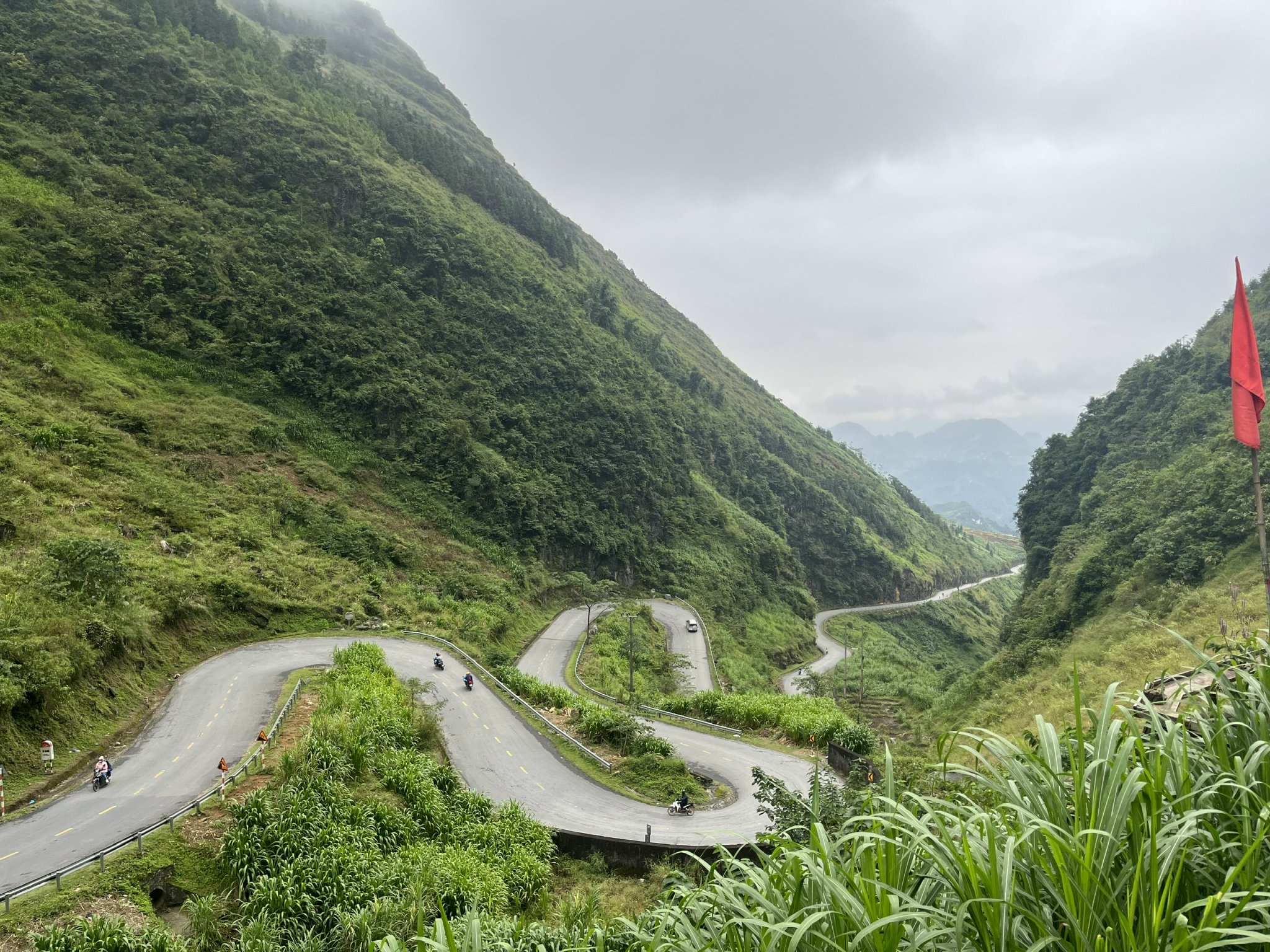
Table of contents
- Is the Ha Giang Loop Safe for Beginners?
- How Dangerous Is the Ha Giang Loop?
- Ha Giang Loop Police Checkpoints and Legal Requirements
- Travel Insurance for the Ha Giang Loop: What Should Be Covered?
- Essential Ha Giang Loop Safety Tips
- Is an Easy Rider Tour Safer for Beginners?
- How to Choose a Responsible Ha Giang Loop Tour Operator
- Explore the Ha Giang Loop with Confidence
Is the Ha Giang Loop Safe for Beginners?
The Ha Giang Loop can be a safe and rewarding experience for first-time visitors, but riding it yourself is a different challenge. The route includes steep mountain passes, narrow roads and sharp bends that demand good vehicle control and experience navigating difficult terrain. For beginners with little or no motorbike experience, self-driving can carry significant risks, especially in poor weather conditions.
However, you don’t need to ride a motorbike yourself to experience the Ha Giang Loop. Joining a guided tour with an experienced local Easy Rider allows you to explore the region as a passenger, while travelling by car with a professional driver offers another comfortable alternative. Both options let you discover Ha Giang’s spectacular landscapes without having to navigate challenging mountain roads on your own.
How Dangerous Is the Ha Giang Loop?
How challenging the Ha Giang Loop becomes can vary considerably from one section of the route to another. Before setting off, it’s worth taking a closer look at the conditions you may encounter so you can prepare accordingly and make safer decisions along the way.
Steep Mountain Passes and Sharp Turns
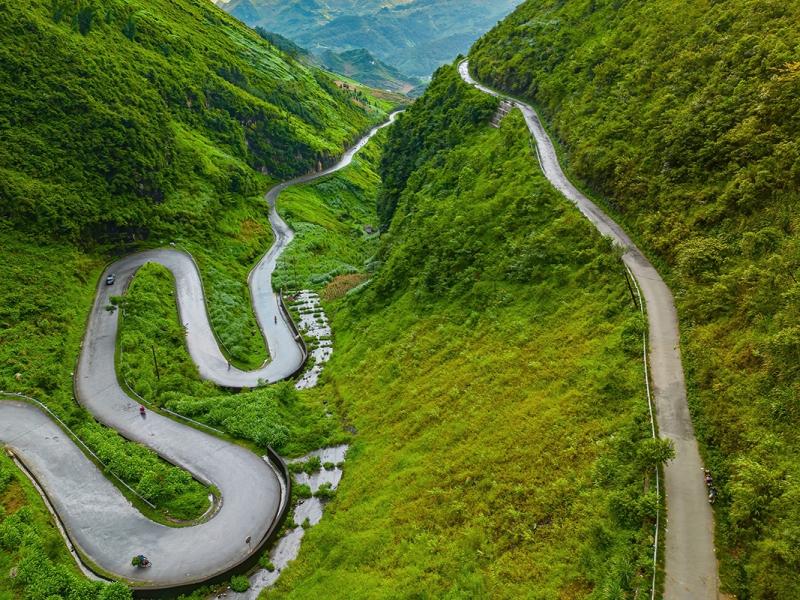
The Ha Giang Loop winds through rugged mountain terrain, with steep climbs, long descents, and tight hairpin turns that require extra caution. Iconic sections such as Ma Pi Leng Pass feature narrow roads and sharp bends, where limited visibility can make it difficult to spot approaching vehicles. On downhill stretches, maintaining a controlled speed is particularly important, as sudden braking or entering a corner too quickly can lead to a loss of control.
If you’re riding a motorbike, keep your speed manageable, slow down before entering sharp turns, and avoid overtaking on blind corners. Even experienced riders should remain cautious, especially on unfamiliar sections where road conditions can change unexpectedly.
Unpredictable Weather and Road Conditions
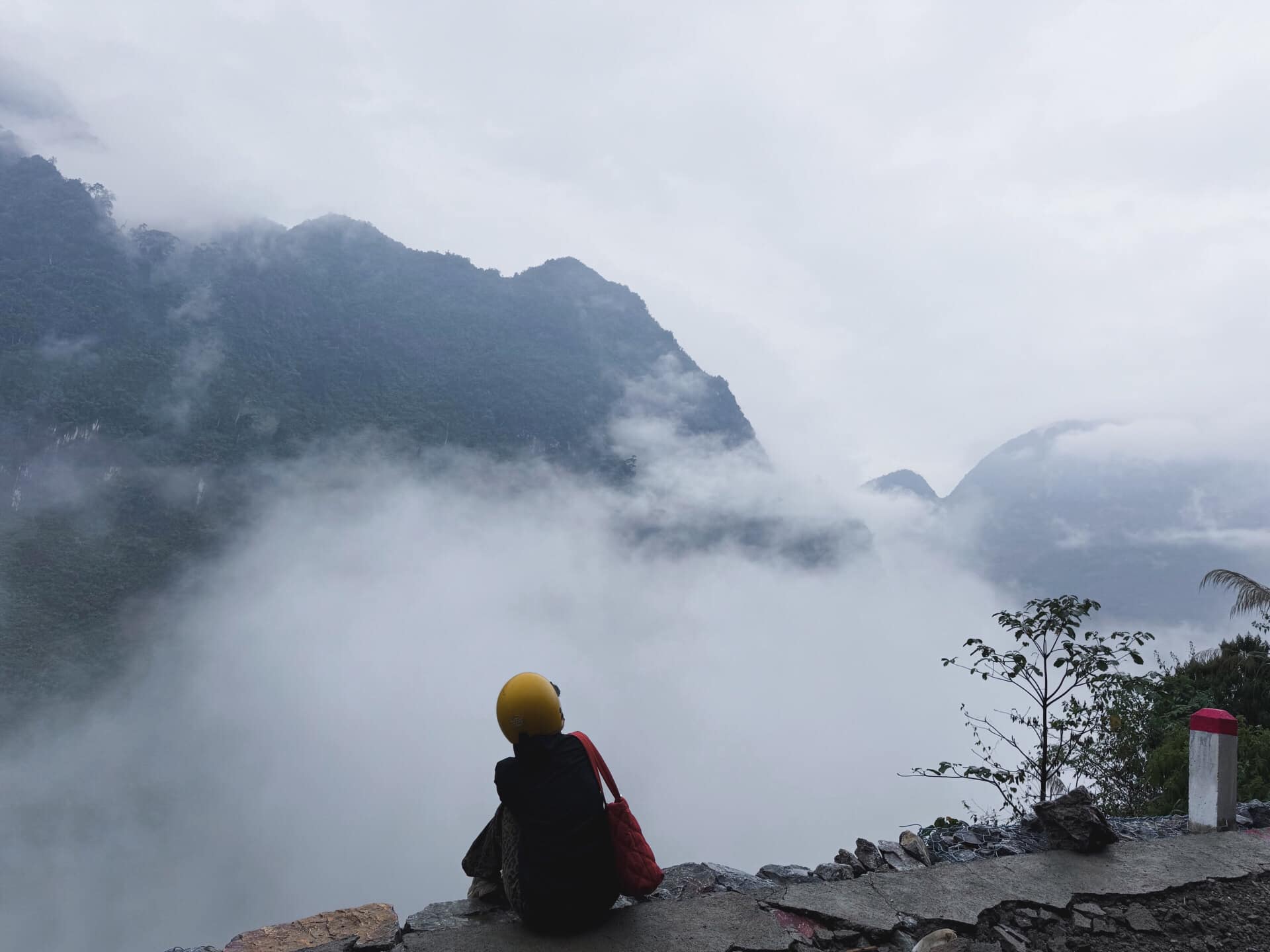
Weather can change rapidly in Ha Giang’s mountainous areas, making road conditions difficult to predict even within the same day. Rain, fog and sudden temperature drops can affect visibility and road safety, particularly at higher elevations. Here are some conditions to keep in mind during your journey:
- Heavy rain and landslides: During the rainy season (June to August), heavy rainfall can make mountain roads slippery, particularly on steep slopes and sharp bends, while increasing the risk of landslides and falling rocks.
- Fog and reduced visibility: Thick fog can appear in the early morning or late afternoon, especially during colder months, making it difficult to see approaching vehicles, sharp turns and obstacles ahead.
- Sudden weather changes: Conditions can shift rapidly between valleys and higher mountain passes, with sudden temperature drops or unexpected rain affecting your journey even when the weather is clear at your starting point.
Traffic and Other Road Hazards
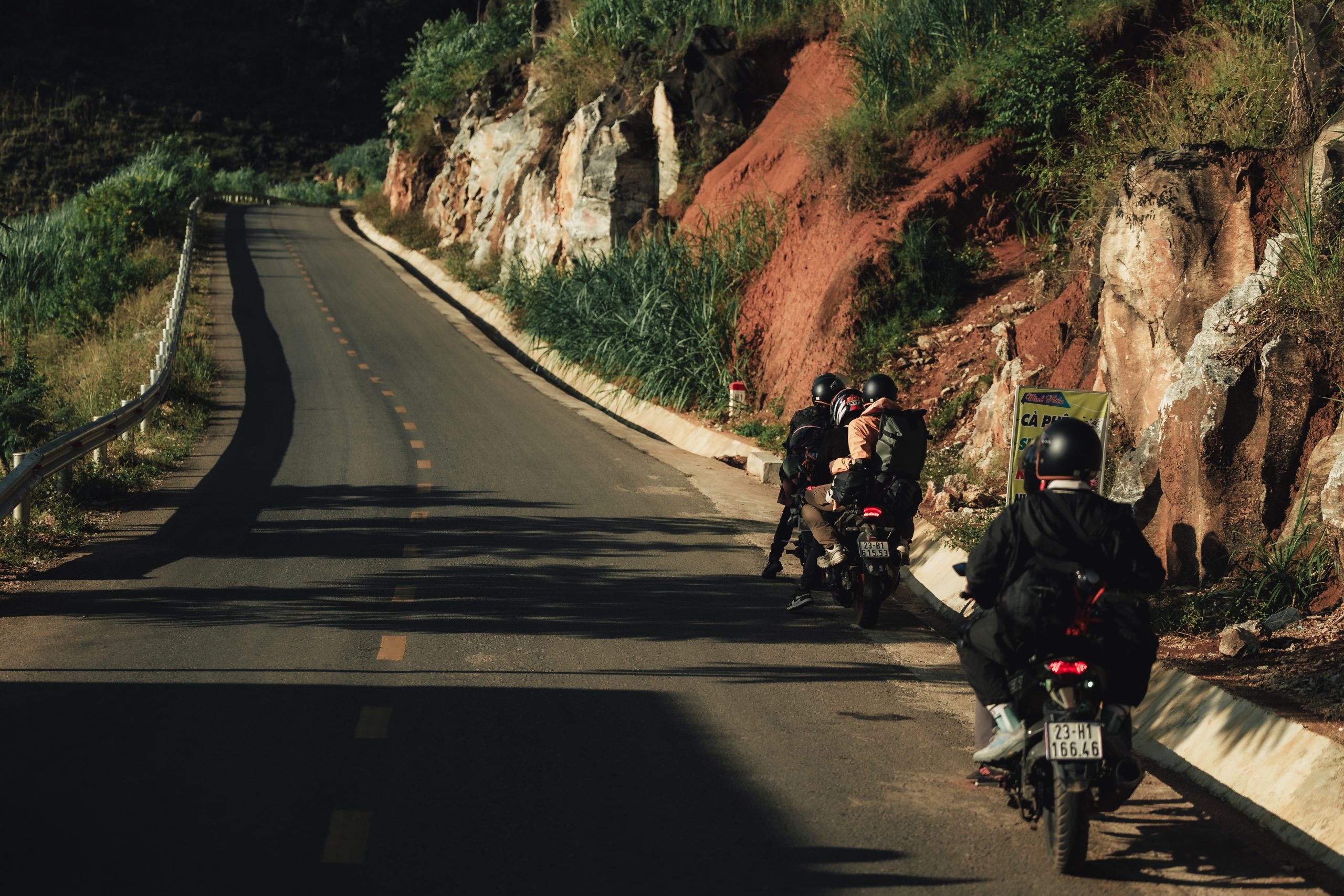
The Ha Giang Loop is not exclusively a tourist route. You’ll share the roads with local motorbikes, cars, buses and trucks, including on narrow mountain sections where passing can be difficult. Traffic may be lighter than in major Vietnamese cities, but that doesn’t necessarily make the roads safer. Some hazards to be aware of include:
- Oncoming vehicles: Trucks and buses may need extra space to navigate tight bends, so stay in your lane and avoid overtaking where visibility is limited.
- Unexpected obstacles: Livestock may wander onto the road, while pedestrians and motorbikes can emerge unexpectedly from small side streets. Slow down when approaching residential areas and stay alert to movement around you.
- Road surface hazards: Loose gravel, potholes and damaged road sections can affect your vehicle’s stability, especially when braking or turning.
Ha Giang Loop Police Checkpoints and Legal Requirements
Police checkpoints are an important consideration if you’re planning to self-drive the Ha Giang Loop. Traffic police may stop motorbike riders to check their driving licences, vehicle documents, and compliance with Vietnamese traffic regulations. Riding without the appropriate licence can result in fines and may also affect your travel insurance coverage.
Before renting a motorbike, make sure you meet the legal requirements for riding in Vietnam:
- Valid driving licence: You need a motorbike licence recognised in Vietnam and appropriate for the type of motorcycle you intend to ride.
- International Driving Permit (IDP): Vietnam recognises qualifying 1968 Vienna Convention IDPs when accompanied by the corresponding national driving licence. An IDP alone is not sufficient.
- Vehicle documents: Check that the rental motorbike has valid registration and any other legally required documents, and carry the necessary paperwork during your journey.
- Traffic regulations: Wear an approved helmet, follow speed limits, and comply with road signs and police instructions throughout the trip.

Failing to meet these legal requirements can lead to significant penalties. Under Vietnam’s Decree 168/2024/ND-CP, riding without a valid licence can result in fines of VND 2 – 4 million for motorcycles up to 125cc and VND 6 – 8 million for motorcycles over 125cc. Checking your documents before departure can help you avoid unnecessary legal issues during your journey.
Travel Insurance for the Ha Giang Loop: What Should Be Covered?
Travel insurance can make a significant difference if an unexpected accident occurs during your Ha Giang Loop adventure. Medical treatment and emergency transportation from remote mountain areas can be costly, so it’s important to make sure your policy provides suitable protection. Keep in mind that standard travel insurance may not cover motorbike-related accidents, even when you’re travelling as a passenger with an Easy Rider.
When reviewing your insurance policy, pay attention to these essential benefits:
- Motorbike accident coverage for self-drivers and Easy Rider passengers, including any restrictions on engine capacity.
- Emergency medical expenses covering hospital treatment and necessary medical care following an accident.
- Medical evacuation and repatriation if you need to be transferred to a better-equipped hospital or returned to your home country.
- Policy exclusions relating to driving licences, alcohol consumption, or activities considered high-risk by your insurer.
Essential Ha Giang Loop Safety Tips
Good preparation and sensible decisions can help reduce risks throughout your Ha Giang Loop journey. Simple precautions, from checking your equipment to recognising when it’s safer to stop, can make a meaningful difference on mountain roads.
- Wear proper protective gear: Choose a well-fitted, certified helmet, gloves, sturdy shoes, and protective clothing to reduce the risk of injury in case of an accident.
- Check your motorbike before departure: Inspect the brakes, tyres, lights, and mirrors carefully, and make sure any mechanical issues are resolved before starting your journey.
- Plan a realistic daily distance: Leave enough time for sightseeing, meals, and rest stops without rushing to reach your destination. Avoid riding after dark on unfamiliar mountain roads.
- Take breaks and stay focused: Long hours on winding roads can cause fatigue, so stop regularly to rest and regain concentration before continuing.
- Prepare for emergencies: Carry a basic first-aid kit, a fully charged phone, offline maps, and emergency contact numbers, especially when travelling through areas with limited mobile coverage.
- Adjust your plans when necessary: If conditions become unsafe, stop at a suitable location and consider changing your route or delaying the journey.

Is an Easy Rider Tour Safer for Beginners?
For beginners with limited motorbike experience, an Easy Rider tour can reduce the risks associated with navigating the Ha Giang Loop independently. Experienced local drivers are familiar with the demands of mountain riding and can adapt their approach to different sections of the route. Having someone responsible for the driving also allows you to focus on the journey without managing the motorbike yourself.
However, safety still depends on the driver’s qualifications, the condition of the vehicle, and the precautions taken throughout the trip. An Easy Rider tour is not risk-free, so choosing a reputable operator remains an important part of your preparation.
How to Choose a Responsible Ha Giang Loop Tour Operator
A well-organised tour can make a significant difference to your safety on the Ha Giang Loop. Beyond the itinerary and price, it’s worth looking at how a tour operator manages potential risks and supports travellers throughout the journey. Before booking, consider these important factors:
- Experienced local guides and drivers: Look for operators with knowledgeable local teams who are familiar with the mountain routes and can respond appropriately to changing conditions.
- Motorbike maintenance and safety equipment: Ask about regular vehicle inspections, helmet quality, and the protective gear provided for both drivers and passengers.
- Reasonable itineraries and group sizes: A carefully planned route should allow enough time for rest stops and unexpected delays, with a manageable group size that makes coordination easier.
- Emergency support and clear communication: Check how the operator handles accidents, medical emergencies and itinerary changes, particularly in remote areas with limited access to healthcare.

With years of experience guiding travellers through Northern Vietnam, Ha Giang Expeditions recognises the importance of careful planning, local knowledge and responsible travel. If you have questions about road conditions, tour options or your suitability for a particular journey, our team can help you explore the available options before booking.
Explore the Ha Giang Loop with Confidence
Ready to experience the beauty of Ha Giang without letting safety concerns hold you back? With Ha Giang Expeditions, you can explore Northern Vietnam’s spectacular mountain landscapes alongside experienced local guides who know the region and its roads. From classic Loop journeys to more adventurous routes and private tours, we’ll help you find an experience that suits your interests and comfort level.
Get in touch with Ha Giang Expeditions today to explore our tour options, ask questions about safety, and start planning your Ha Giang Loop adventure with confidence.
Contact us:
- Ms. Hana: (+84) 8686 433 38
- Ms. Phuong: (+84) 39 767 98 89
- info@hagiangexpeditions.com
👉 Read more: Self-Drive vs Easy Rider on the Ha Giang Loop