The Ha Giang Loop is famous for its winding mountain roads, dramatic limestone peaks, and breathtaking views around every turn. While motorbikes are often the first thing that comes to mind, riding on two wheels isn’t the only way to experience this remarkable journey. Exploring the Ha Giang Loop by car offers a different perspective, with the comfort of a private vehicle and plenty of opportunities to stop, take in the scenery, and discover local villages along the way. But is traveling by car really a good option for the Loop, and how does it compare to a jeep or motorbike tour? Let’s explore what you can expect and how to choose the experience that suits you.
Table of contents
Can You Do the Ha Giang Loop by Car?
Although motorbikes are the most popular way to explore the Ha Giang Loop, traveling by car is entirely possible. The main route connects well-known destinations such as Quan Ba, Yen Minh, Dong Van, Ma Pi Leng Pass, and Meo Vac, allowing travelers to experience much of the region’s spectacular scenery without riding a motorbike.
However, the journey comes with its own challenges. Ha Giang’s mountain roads are known for their steep slopes, sharp hairpin bends, and narrow sections, which can make driving difficult, particularly during foggy or rainy weather. Having an experienced local driver can make the journey easier to manage, especially for visitors unfamiliar with mountain terrain.
Most of the classic Loop can be covered by car, although access to smaller villages, walking trails, and certain viewpoints may be limited by road width or surface conditions. Some activities, such as boat trips on the Nho Que River, also require separate transport arrangements. Checking the accessibility of your planned stops in advance will help you build a more realistic itinerary, particularly if you’re traveling with children or older family members.
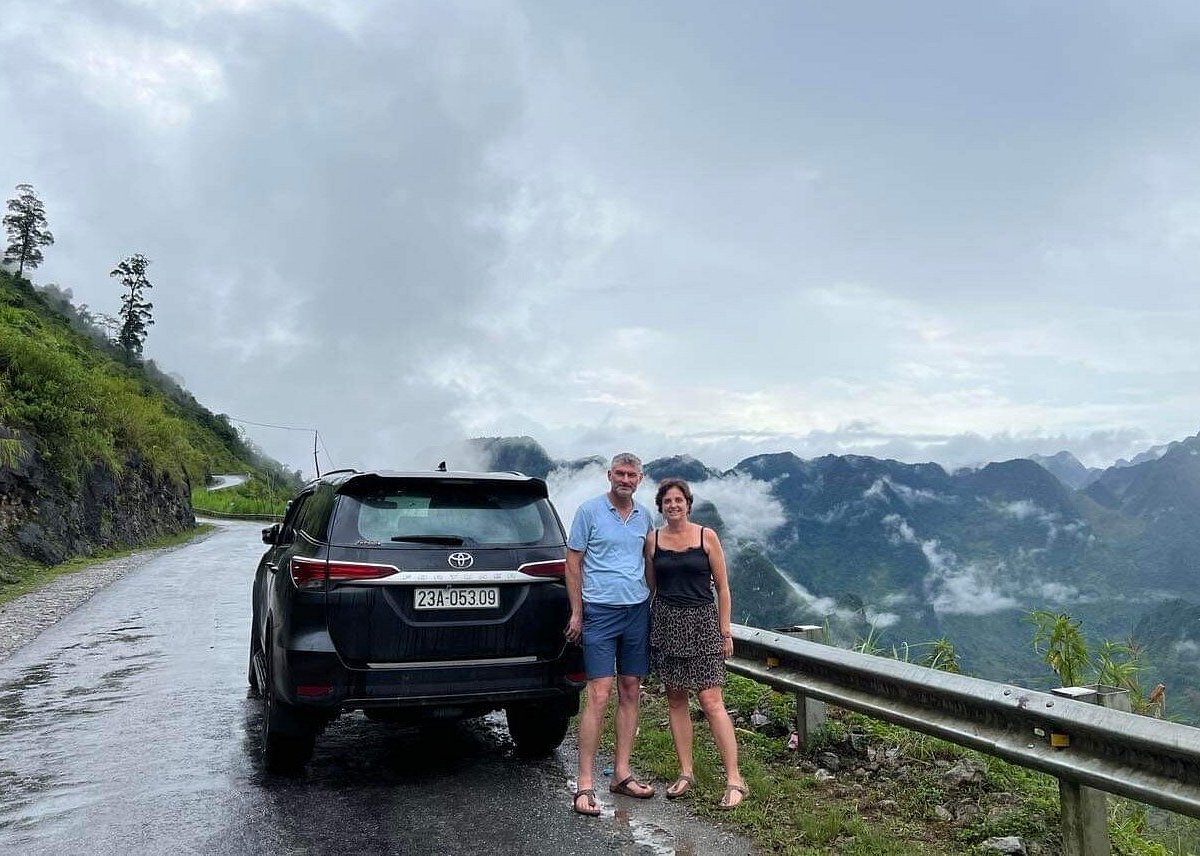
Why Explore the Ha Giang Loop by Car?
Choosing a car changes how you experience the Ha Giang Loop, particularly when it comes to long stretches of mountain road, traveling with others, and making the most of your stops. For certain travelers, these differences can make the journey considerably more enjoyable.
A More Comfortable Journey Through the Mountains
Ha Giang’s winding mountain roads are beautiful, but spending hours on a motorbike can be tiring, especially when the weather changes unexpectedly. Traveling by car gives you a sheltered space to relax between stops, protecting you from strong winds, sudden rain, and the intense midday sun. You can settle into your seat, enjoy the changing landscapes through the windows, and save your energy for exploring the places along the route.
There’s also the convenience of having your belongings close at hand. Jackets, cameras, snacks, and other travel essentials can be kept inside the vehicle, making longer journeys easier to manage. Although the sharp bends and steep mountain roads can still feel challenging, a car offers a more comfortable way to experience the Loop for those who prefer a gentler adventure.
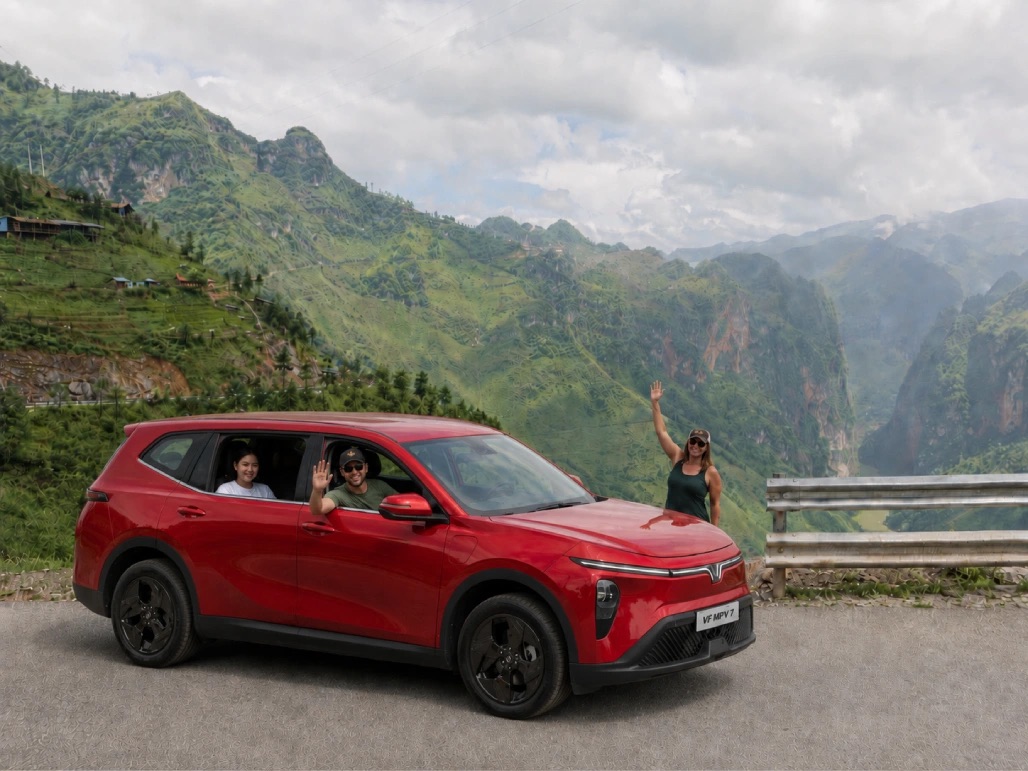
Ideal for Families, Couples and Small Groups
Not everyone traveling to Ha Giang is looking for the thrill of a motorbike ride. Families with young children, older travelers, or couples hoping for a more leisurely getaway may find a private car tour particularly appealing. Everyone can travel together, share conversations and enjoy the mountain scenery without the physical demands of spending long hours on two wheels.
For small groups of friends, a private car also creates a more personal travel experience. You can share memorable moments along the road, enjoy meals at local stops, and explore traditional villages at a pace that suits the group. With Ha Giang Expeditions offering customizable car and jeep tours, travelers can discuss their interests and preferred travel style when planning their journey.
More Freedom to Enjoy the Scenery and Scenic Stops
Some of Ha Giang’s most memorable moments happen between the famous attractions. It might be a quiet valley appearing around a bend, terraced fields stretching across the hillsides, or a small village nestled beneath towering limestone mountains. Traveling by car with a private driver allows you to appreciate these changing landscapes without having to concentrate on navigating the road yourself.
Having a private driver can also make it easier to appreciate places you might otherwise pass without noticing. A roadside viewpoint overlooking a valley, a small roadside stall selling local produce, or a quiet stretch of mountain scenery may be worth a brief stop. While stopping opportunities depend on road safety and the agreed itinerary, these smaller discoveries can add a personal touch to the journey and give you a better sense of life beyond Ha Giang’s famous landmarks.
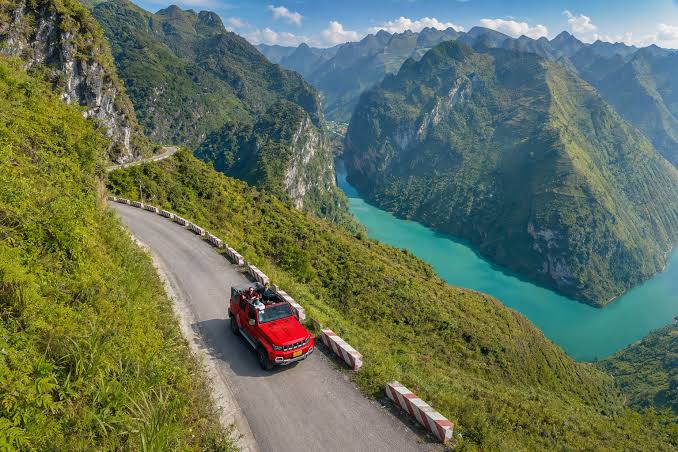
Ha Giang Loop by Car, Jeep or Motorbike: Which Is Better?
Exploring the Ha Giang Loop can feel quite different depending on how you travel. A private car, an open-air jeep, and a motorbike each offer their own way of experiencing the mountain roads, with differences in comfort, flexibility, and adventure. Understanding what each option offers can help you choose the experience that best matches your travel style.
Private Car Tour: Comfort and Convenience
A private car tour offers a more structured way to explore the Ha Giang Loop, particularly for travelers who prefer having their transport and daily arrangements organized in advance. With a dedicated vehicle and driver, your group can follow an agreed route without coordinating multiple motorbikes or dealing with navigation along unfamiliar mountain roads.
One advantage is the privacy of traveling with your own group. You can discuss suitable stopping points with the driver, arrange breaks around your group’s needs, and enjoy the journey without sharing the vehicle with other travelers. However, cars have their limitations on narrow village lanes and rough tracks, and some viewpoints may require a short walk.
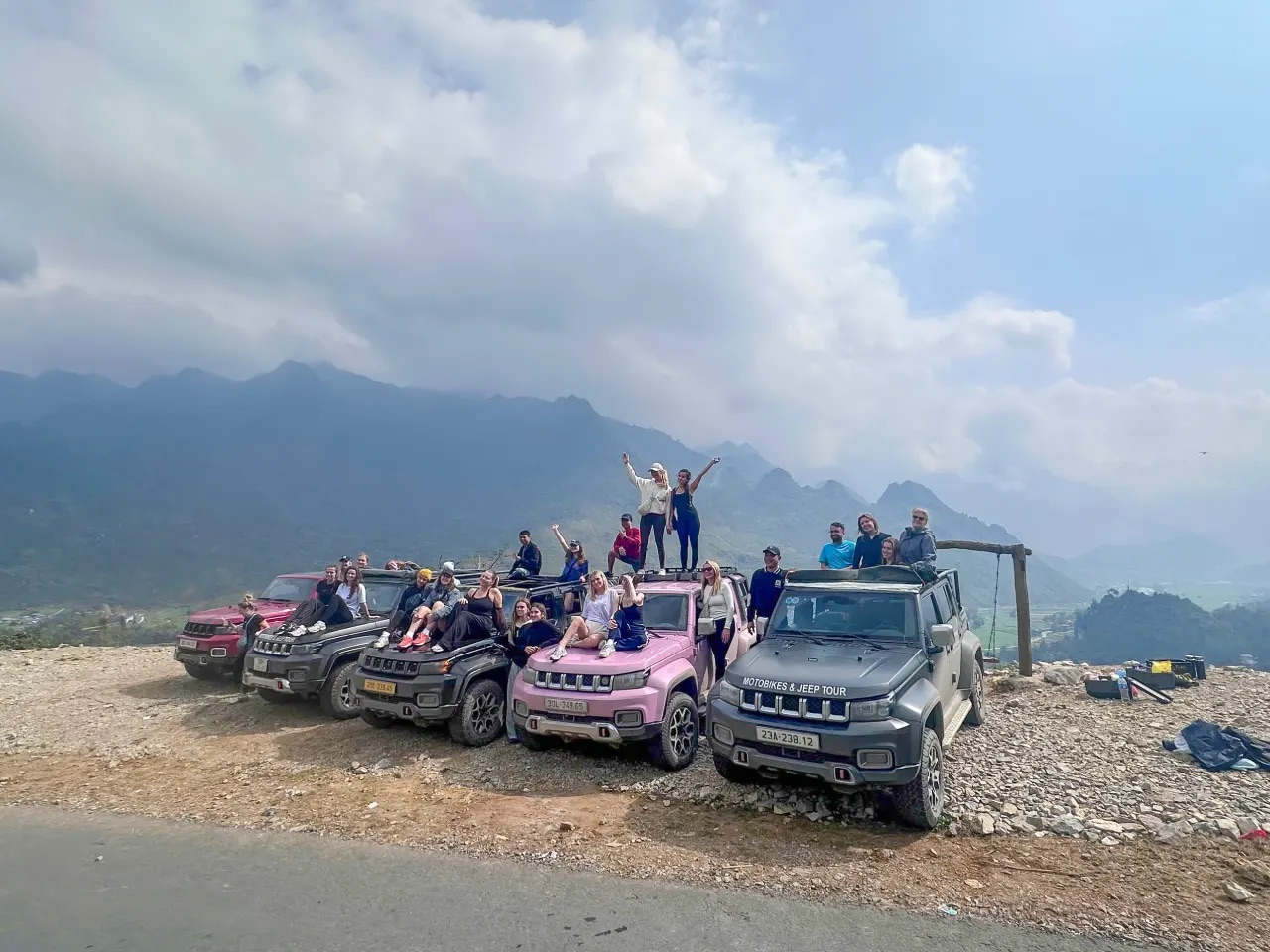
Ha Giang Jeep Tour: An Open-Air Adventure
For travelers who enjoy the thrill of the open road but prefer four wheels, a Ha Giang Jeep tour offers an exciting alternative. Depending on the vehicle’s design, an open-top jeep allows you to take in the towering limestone mountains, deep valleys, and winding passes with fewer barriers between you and the surrounding landscape. The fresh mountain air and panoramic views make the journey particularly appealing to photography lovers and adventurous travelers.
However, a jeep tour comes with a few practical considerations. Open-top vehicles offer less protection from strong sunshine, cold winds, dust, and unexpected rain. Some models may also feel bumpier than conventional cars, especially on uneven mountain roads. The level of comfort and weather protection will depend on the particular jeep used.
Motorbike Tour: A Closer Connection to the Road
Motorbikes remain a popular choice for travelers who want to experience the Ha Giang Loop more directly. As you ride through mountain passes and remote villages, you can feel the changing temperatures, hear the sounds of local life, and appreciate the dramatic landscapes without viewing everything through a car window. The narrow size of a motorbike also makes it easier to navigate certain smaller roads and village lanes.
Travelers generally have two options: riding independently or joining an Easy Rider tour. Self-driving gives experienced riders greater control over their journey, but Ha Giang’s steep slopes, sharp bends, and unpredictable weather require strong riding skills and a valid license. An Easy Rider tour, on the other hand, allows you to sit behind an experienced local rider and enjoy the scenery without handling the motorbike yourself.
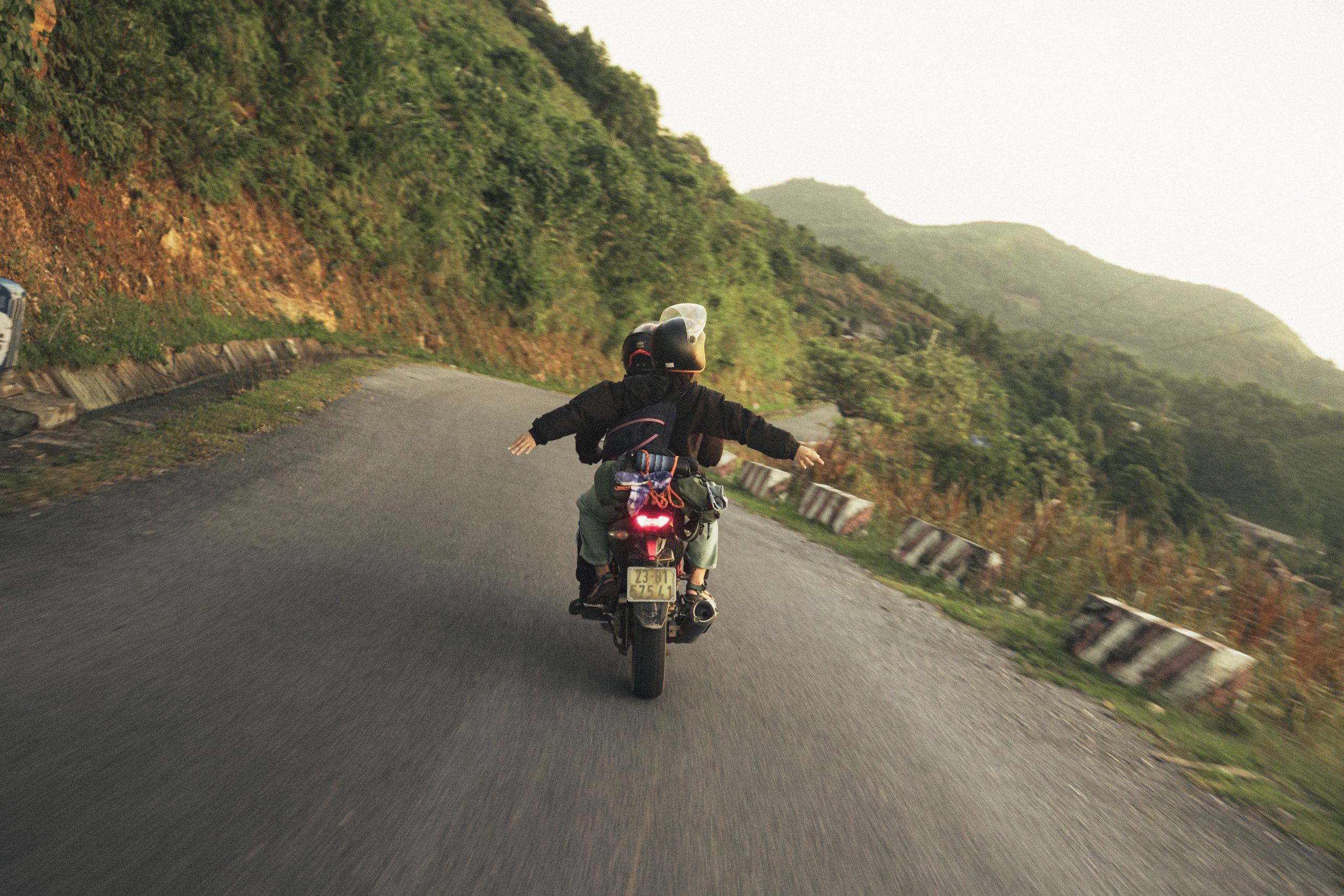
The main drawback is physical comfort. Spending several hours on a motorbike can be tiring, particularly in cold or rainy weather, and carrying luggage is less convenient than traveling by car. Still, for travelers who enjoy an adventurous, open-air experience, motorbikes offer a distinctive way to explore the Loop. You can learn more about the available options through Ha Giang Expeditions’ motorcycle tours, which include both Easy Rider and guided self-drive experiences.
Ha Giang Loop Car Tour: Private Driver or Self-Drive?
Choosing between a private driver and a self-drive car can shape your entire Ha Giang experience. While both options allow you to explore the mountain landscapes on four wheels, they differ in convenience, flexibility, and the level of driving experience required.
| Factors | Private Driver | Self-Drive Car |
| Driving Experience | No driving skills required | Requires experience on mountain roads |
| Navigation | Handled by an experienced local driver | You manage navigation and road conditions yourself |
| Flexibility | Scenic stops can be arranged with the driver | Greater independence in choosing routes and stops |
| Comfort | More time to relax and enjoy the scenery | Driver must remain focused on the road |
| Safety | Benefits from local road knowledge | Requires confidence on steep and winding roads |
| Cost | Includes driver fees and related expenses | Rental, fuel, insurance and other expenses |
| Best Suited For | Families, couples, first-time visitors and small groups | Experienced drivers with valid driving credentials |
For travelers who want to focus on the scenery and local experiences, hiring a private driver is often the more convenient choice. Ha Giang Expeditions offers private tours that can be arranged around different travel preferences.
Scenic Highlights Along the Ha Giang Loop by Car
The Ha Giang Loop is filled with spectacular landscapes, where winding mountain passes lead to peaceful valleys, traditional villages, and dramatic viewpoints. Traveling by car allows you to visit many of these iconic destinations, with opportunities to stop, explore on foot, and discover the region’s natural beauty and local culture along the way.
Quan Ba Heaven Gate and Twin Mountains
As the road climbs toward Quan Ba, the scenery begins to open up, revealing green valleys, terraced hillsides, and limestone mountains stretching into the distance. Quan Ba Heaven Gate is a popular stop along the Ha Giang Loop, offering panoramic views of the surrounding highlands. From the viewpoint, you can also admire the famous Twin Mountains, two rounded hills rising side by side above the Tam Son Valley.
For travelers exploring by car, this area makes a pleasant stop to stretch your legs and take photographs before continuing deeper into the mountains. If you’re interested in local traditions, the nearby Lung Tam Village is worth visiting for its Hmong hemp-weaving craft, where artisans continue to produce textiles using traditional techniques.
Yen Minh and Tham Ma Pass
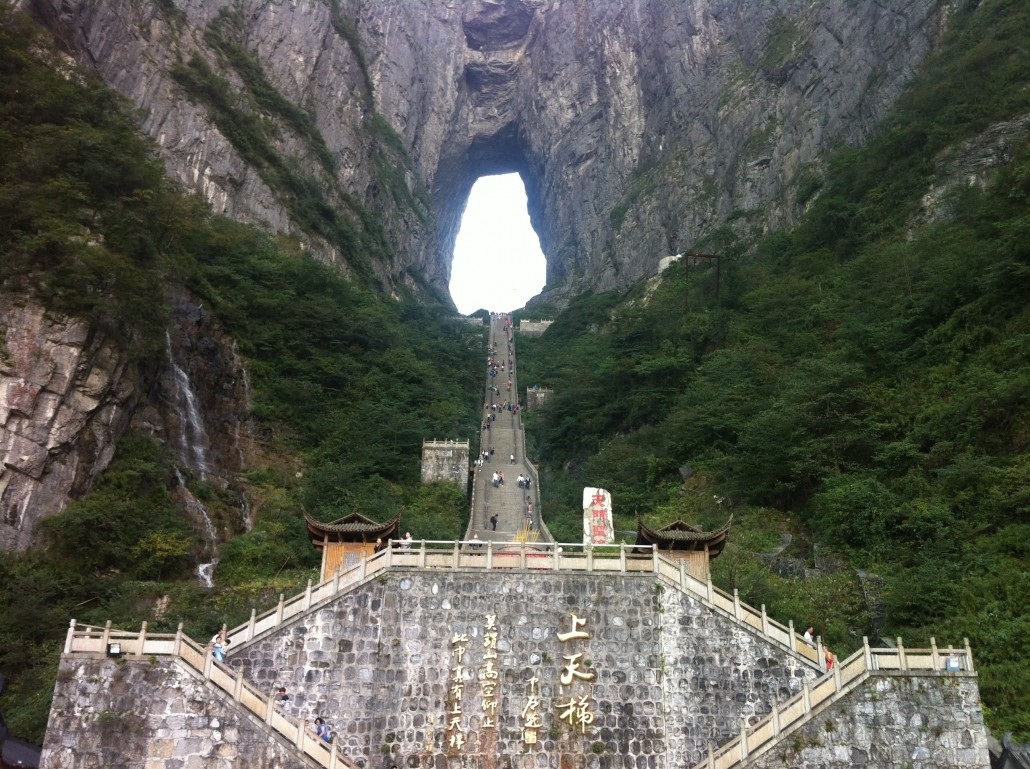
The journey through Yen Minh offers a noticeable change in scenery, with stretches of pine-covered hills giving way to rugged limestone mountains and small highland settlements. As the road continues toward Dong Van, Tham Ma Pass becomes one of the most recognizable sections of the Ha Giang Loop, famous for its series of sharp, zigzagging bends carved into the mountainside.
The pass is particularly impressive when viewed from above, where the winding road forms a striking pattern against the surrounding slopes. Travelers by car can stop at suitable viewpoints to photograph the curves and watch vehicles making their way uphill. Tham Ma also has an interesting local history, as the steep route was traditionally associated with testing the strength and endurance of horses. Today, it remains a memorable part of the drive toward Dong Van.
Dong Van Old Quarter and Dong Van Karst Plateau
Dong Van brings a fascinating combination of geological wonders and highland culture. The Dong Van Karst Plateau is recognized as a UNESCO Global Geopark, known for its ancient limestone formations, rocky valleys, and landscapes shaped by millions of years of geological history. Driving across the plateau, you’ll notice how local communities have adapted to the challenging terrain, with small houses and cultivated fields scattered among the mountains.
In Dong Van town, the atmosphere becomes more intimate. The Old Quarter features traditional houses, narrow streets, and small cafés where travelers can take a break from the mountain roads. If your visit falls on a Sunday morning, Dong Van Market offers an opportunity to experience local trading traditions and see people from surrounding ethnic communities gathering in colorful traditional clothing.
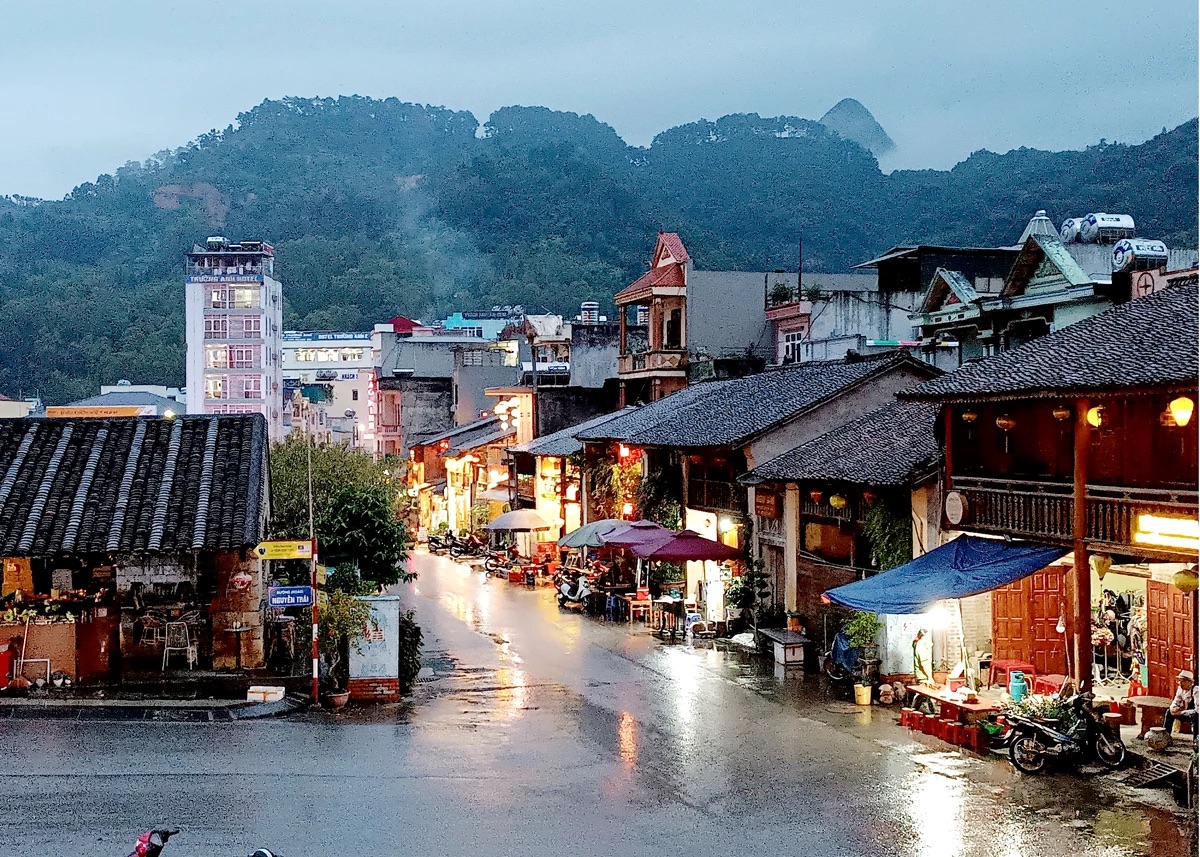
Beyond the ancient streets, Dong Van has much more to discover on foot. Its rugged limestone mountains, remote trails, and scenic viewpoints offer a closer look at the landscapes that make this region so remarkable. If you’d like to spend more time exploring these surroundings, the Ha Giang Adventure 3D2N Tour combines a visit to Dong Van Old Quarter with trekking experiences, giving you the chance to discover the highlands beyond the main roads.
Ma Pi Leng Pass and Nho Que River
Few sections of the Ha Giang Loop are as dramatic as Ma Pi Leng Pass. Stretching along steep limestone cliffs between Dong Van and Meo Vac, the road offers breathtaking views of deep valleys and towering mountains. Far below, the emerald-green Nho Que River winds through Tu San Canyon, creating one of the most recognizable landscapes in Ha Giang.
Traveling by car allows you to admire the changing scenery along the pass, with suitable viewpoints where you can step outside, take photographs, and appreciate the scale of the surrounding mountains. However, reaching the river itself requires a separate journey down toward the boat departure area, which may involve local transport arrangements.
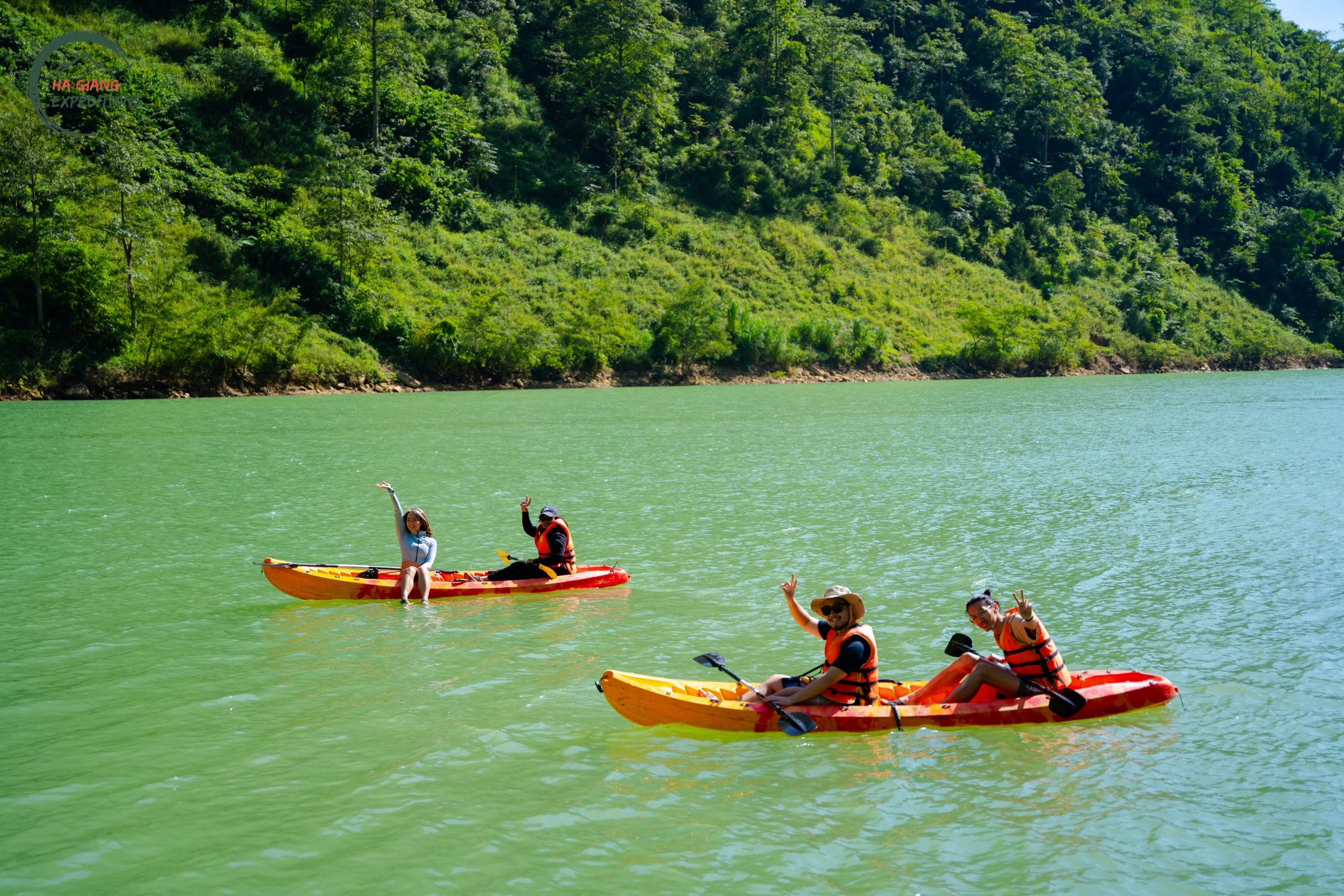
For those eager to explore beyond the mountain viewpoints, Ha Giang Expeditions’ Adventure 4D3N Tour takes the experience further with kayaking on the Nho Que River and camping near Tu San Canyon. Paddling beneath towering limestone cliffs and spending a night surrounded by mountain scenery offer a more immersive way to discover this remarkable part of Ha Giang.
Meo Vac and Du Gia Village
After the dramatic cliffs of Ma Pi Leng, Meo Vac introduces travelers to a different side of Ha Giang, where everyday highland life becomes a central part of the experience. The town is known for its ethnic communities and traditional markets, particularly the Sunday market, where local people gather to trade livestock, agricultural products, and household goods. A short walk through the town or nearby villages can reveal traditional houses and a slower rhythm of mountain life.
Further along the extended Loop, Du Gia offers a gentler landscape of green valleys, rice fields, streams, and peaceful villages. Compared with the rocky terrain around Dong Van and Meo Vac, the scenery here feels softer and more rural.
For visitors traveling by car, Meo Vac and Du Gia provide a welcome change of pace, particularly if your itinerary includes an overnight stay rather than a quick stop. The route to Du Gia involves winding mountain roads, so accessibility and travel time should be checked according to current conditions.
Practical Tips for Traveling the Ha Giang Loop by Car
A little preparation can make your Ha Giang road trip much more enjoyable, especially when traveling through remote mountain areas. Whether you’re planning a private car tour or considering driving yourself, these practical tips will help you feel more prepared for the journey.
- Confirm what’s included in your car tour: Check whether the quoted price covers a private driver, fuel, accommodation, meals, entrance fees, and any additional activities. This will help you understand the total cost and plan your spending more accurately.
- Check vehicle capacity and luggage arrangements: When traveling with family or friends, make sure the vehicle has enough seats and storage space for everyone. Large suitcases may be inconvenient on mountain journeys, particularly if the vehicle is fully occupied.
- Be prepared for winding roads: The Loop features numerous hairpin bends and winding roads, especially around Tham Ma and Ma Pi Leng Pass. If you’re prone to motion sickness, consider bringing suitable medication, sitting toward the front of the vehicle, and taking regular breaks.
- Keep your plans flexible: Mountain weather can change quickly, and some roads may take longer to navigate than expected. Allow time for unexpected delays, scenic stops, and spontaneous discoveries along the way.
- Pack for changing weather: Temperatures can vary significantly between valleys and higher elevations. Bring a light jacket, comfortable walking shoes, sun protection, and a raincoat, even if you’re traveling in an enclosed vehicle.
- Carry cash and everyday essentials: Small villages and local markets may have limited card payment options. Having Vietnamese dong, drinking water, snacks, and a charged phone will make your journey more convenient.
- Discuss special requirements in advance: If you’re traveling with young children, older family members, or anyone with limited mobility, inform your tour operator about seating preferences, rest stops, and activities that may involve walking or climbing stairs.
If you’re unsure which vehicle or route would suit your travel plans, Ha Giang Expeditions can help you explore the available options and arrange a journey around your interests. Feel free to contact our team for advice on car and jeep tours, suitable routes, and travel arrangements.
- Ms. Hana: (+84) 8686 433 38
- Ms. Phuong: (+84) 39 767 98 89
- info@hagiangexpeditions.com