Taking the wheel on the Ha Giang Loop means navigating steep mountain passes, winding roads, and remote villages where every turn demands your full attention. For experienced riders, self-driving offers the freedom to explore northern Vietnam’s spectacular landscapes at a more personal pace. Yet a successful journey requires more than confidence on a motorbike. From choosing the right vehicle to managing long riding days, proper preparation makes a real difference. Drawing on our local experience, Ha Giang Expeditions shares practical advice to help you plan a Ha Giang Loop self-drive adventure and decide how much support you may need along the way.
Table of contents
Are You Ready to Self-Drive the Ha Giang Loop?
The demands of the Ha Giang Loop can vary considerably from one section to another, making personal readiness an important consideration for anyone planning to ride independently. Even experienced motorcyclists may encounter situations outside their usual riding environment. A realistic assessment of your capabilities can help you approach the journey with appropriate expectations.
Riding Experience and Essential Skills
Riding through Ha Giang’s mountainous terrain demands practical experience with motorbike handling, particularly on steep gradients and narrow roads. Riders should already be comfortable operating a semi-automatic or manual motorbike, as unfamiliar gear changes and braking techniques can become difficult to manage on challenging sections.
Several essential skills are worth assessing:
- Gear control and braking: Maintain smooth gear changes, use engine braking when descending steep slopes, and apply both brakes progressively to avoid sudden loss of control.
- Cornering on mountain roads: Adjust your speed before entering sharp bends, maintain a stable riding position, and stay within your lane, especially on blind corners.
- Low-speed balance: Control your motorbike confidently through narrow village roads, uneven surfaces, and slow-moving traffic without losing stability.
- Hazard awareness: Watch for loose gravel, potholes, approaching vehicles, and unexpected obstacles, leaving sufficient space and time to react safely.
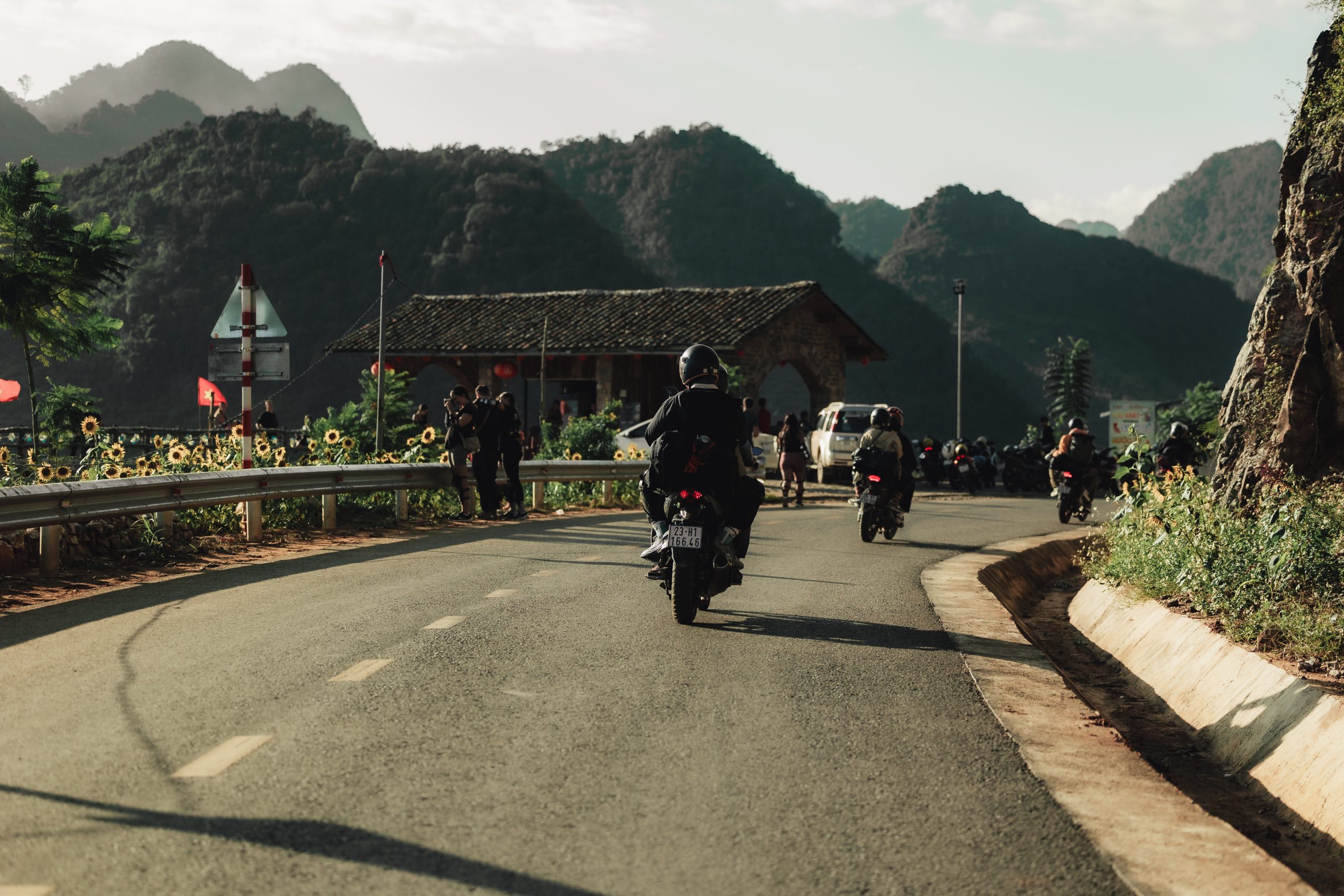
Experience riding scooters on flat city streets alone is not sufficient preparation for the Ha Giang Loop. If you are unfamiliar with mountain riding or manual gear control, consider gaining supervised experience in a safer environment rather than learning these skills during the journey.
Physical Stamina and Riding Confidence
A Ha Giang Loop self-drive journey can involve several hours of riding each day, requiring sustained concentration and physical endurance. Maintaining balance through repeated bends, sitting in the same position for extended periods, and responding to changing road conditions can gradually lead to fatigue, even for experienced riders.
Your physical condition and mental alertness can change throughout a long riding day. Pay attention to these signs of readiness:
- Physical endurance: You should be able to maintain a comfortable riding posture for extended periods without excessive strain on your back, shoulders, wrists, or legs.
- Mental alertness: Sustained attention is necessary for recognising traffic movements, judging distances, and responding appropriately to unfamiliar situations.
- Emotional control: Confidence means remaining composed when a road becomes more demanding, rather than feeling pressured to keep up with faster riders.
- Recognising fatigue: Stiff muscles, slower reactions, repeated mistakes, or difficulty concentrating may indicate that you are no longer in a suitable condition to continue riding.
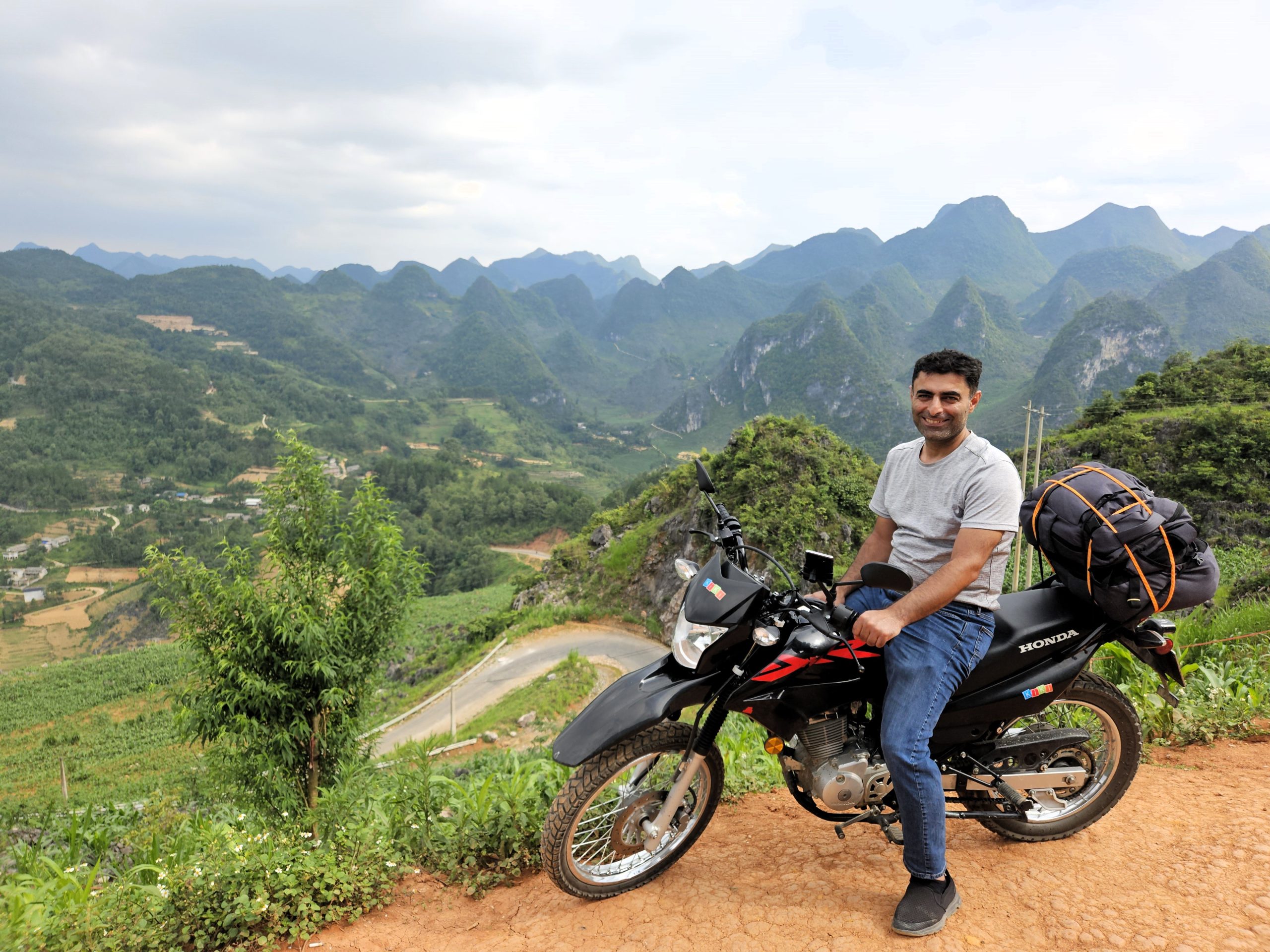
Preparing Your Motorbike for the Ha Giang Loop
Mechanical reliability becomes particularly important on the Ha Giang Loop, where repair facilities may be limited in remote mountain areas. Even minor issues with a motorbike can interrupt your journey if they are not identified early. At Ha Giang Expeditions, we want you to feel confident about the vehicle you’ll be riding, so it’s worth paying attention to its condition and handling before heading into the mountains.
Choosing a Motorbike You Can Handle Confidently
Motorbikes vary in handling, transmission, and comfort, making it important to choose one that matches your riding experience. Consider the following factors when selecting a bike for the Ha Giang Loop:
- Seat height and weight: Choose a motorbike that allows you to maintain stable footing when stopping and manoeuvre comfortably at low speeds, especially on sloping or uneven ground.
- Transmission and controls: Stick to a gear system you already know how to operate. Make sure the clutch, gear lever, throttle, and brakes are easy to reach and operate.
- Engine capacity: A larger engine does not necessarily make a motorbike easier to ride. Consider its weight, handling characteristics, and the licence category required for that vehicle.
- Luggage and riding comfort: Check that your bags can be securely attached without affecting balance or steering. A comfortable seating position also matters during long riding days.
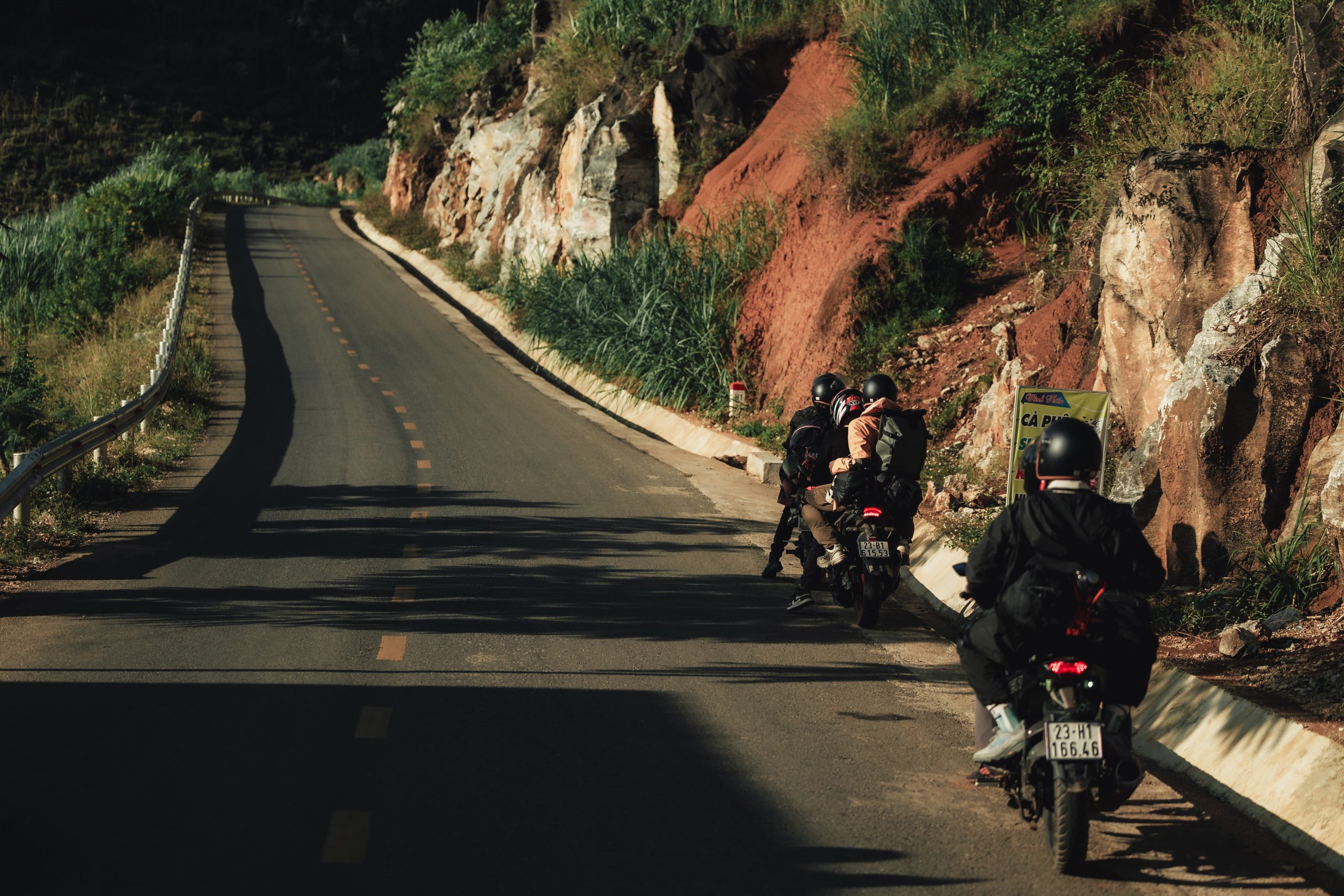
Ha Giang Expeditions offers 110cc motorbike options for guided self-drive tours. Our team can help you choose an available bike based on your riding experience and licence eligibility.
Essential Checks Before Setting Off
Checking your rental motorbike before departure helps identify potential mechanical issues that could affect your journey. Pay attention to these essential components:
- Tyres and wheels: Examine tyre tread, air pressure, and signs of damage such as cracks, bulges, or embedded objects that could reduce traction.
- Brakes and throttle: Both front and rear brakes should respond smoothly and effectively. The throttle must operate freely and return to its closed position when released.
- Lights, indicators, and mirrors: Ensure the headlights, brake lights, turn signals, and horn are working properly. Adjust the mirrors for a clear view of traffic behind you.
- Fuel and fluid levels: Fill up before entering remote sections and look for signs of oil or fuel leaks. If you have concerns about fluid levels or notice anything unusual, let our team know so we can inspect the motorbike before departure.
- Chain and suspension: Watch for excessive chain slack, visible damage, or unusual noises. Report any suspected mechanical issues to our team for further inspection and assistance.
- Luggage and safety equipment: Secure your bags away from moving parts and controls. Your helmet should fit snugly, with protective riding gear properly fastened.

After the inspection, take a short test ride in a safe area to familiarise yourself with the motorbike’s braking response, steering, and gear changes. If you notice unusual vibrations, difficulty shifting gears, or unreliable brakes, inform our team so we can inspect the motorbike and resolve any issues before your Ha Giang Loop self-drive journey begins.
What to Expect When Riding Ha Giang’s Mountain Roads
Riding conditions can change within a short distance on the Ha Giang Loop. A relatively open stretch of road may lead into a narrow mountainside section, followed by a series of bends or a steep descent. These transitions affect how riders judge speed, position their motorbikes, and respond to surrounding traffic, making the journey less predictable than the distance on a map might suggest.
Steep Passes, Winding Roads and Sharp Turns
The Ha Giang Loop is known for its dramatic mountain passes, where steep climbs, extended descents, and consecutive hairpin bends create a demanding riding environment. Bac Sum Pass introduces riders to a series of winding uphill sections, whereas Tham Ma Pass is recognised for its distinctive succession of sharp bends. Further along the journey, Ma Pi Leng Pass follows the mountainside between Dong Van and Meo Vac, with narrow stretches overlooking the deep Nho Que River valley.
On these mountain passes, the road can alternate between exposed sections with wide views and tight bends where the next stretch remains hidden until you approach it. Elevation changes can be substantial, and the available road space may feel restricted when larger vehicles approach from the opposite direction. Riders should expect their progress to vary considerably between different sections, even over relatively short distances.
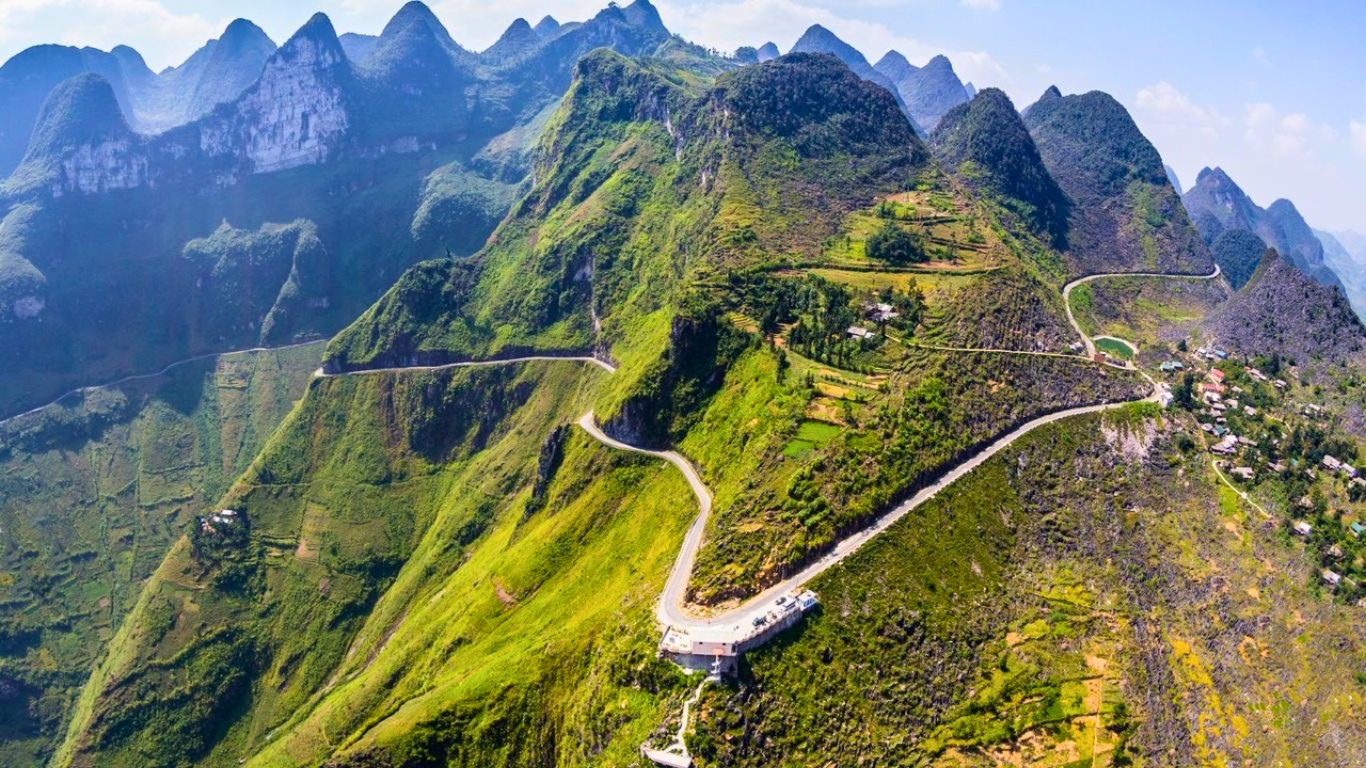
Designated viewpoints provide opportunities to stop and appreciate the scenery without interrupting traffic. Parking should be limited to places where the motorbike can be positioned safely, away from blind corners, narrow road edges, and areas used by passing vehicles.
Local Traffic and Changing Road Conditions
Traffic on the Ha Giang Loop reflects everyday life in the northern highlands. Local motorbikes, delivery trucks, passenger vehicles, and tourist groups share the same mountain roads, creating situations that may be unfamiliar to international riders. Larger vehicles sometimes need additional space to negotiate tight bends, and traffic can slow considerably when passing through villages or narrow sections.
Road surfaces also vary throughout the journey. Although the main route is predominantly paved, riders may encounter several conditions that affect how their motorbike handles:
- Loose gravel and uneven surfaces: Small stones, potholes, and damaged asphalt can appear on mountain bends or older road sections, reducing tyre grip and requiring careful speed adjustment.
- Construction and road repairs: Temporary work areas may narrow the available roadway or leave short stretches of rough, unfinished surfaces.
- Village traffic and livestock: Pedestrians, children, dogs, goats, and cattle may enter the road unexpectedly, particularly near houses, markets, and agricultural areas.
- Rain and mountain fog: Wet surfaces can become slippery, and low clouds may reduce visibility on higher passes. Heavy rainfall can also leave mud or debris on the road, with occasional disruptions caused by landslides.
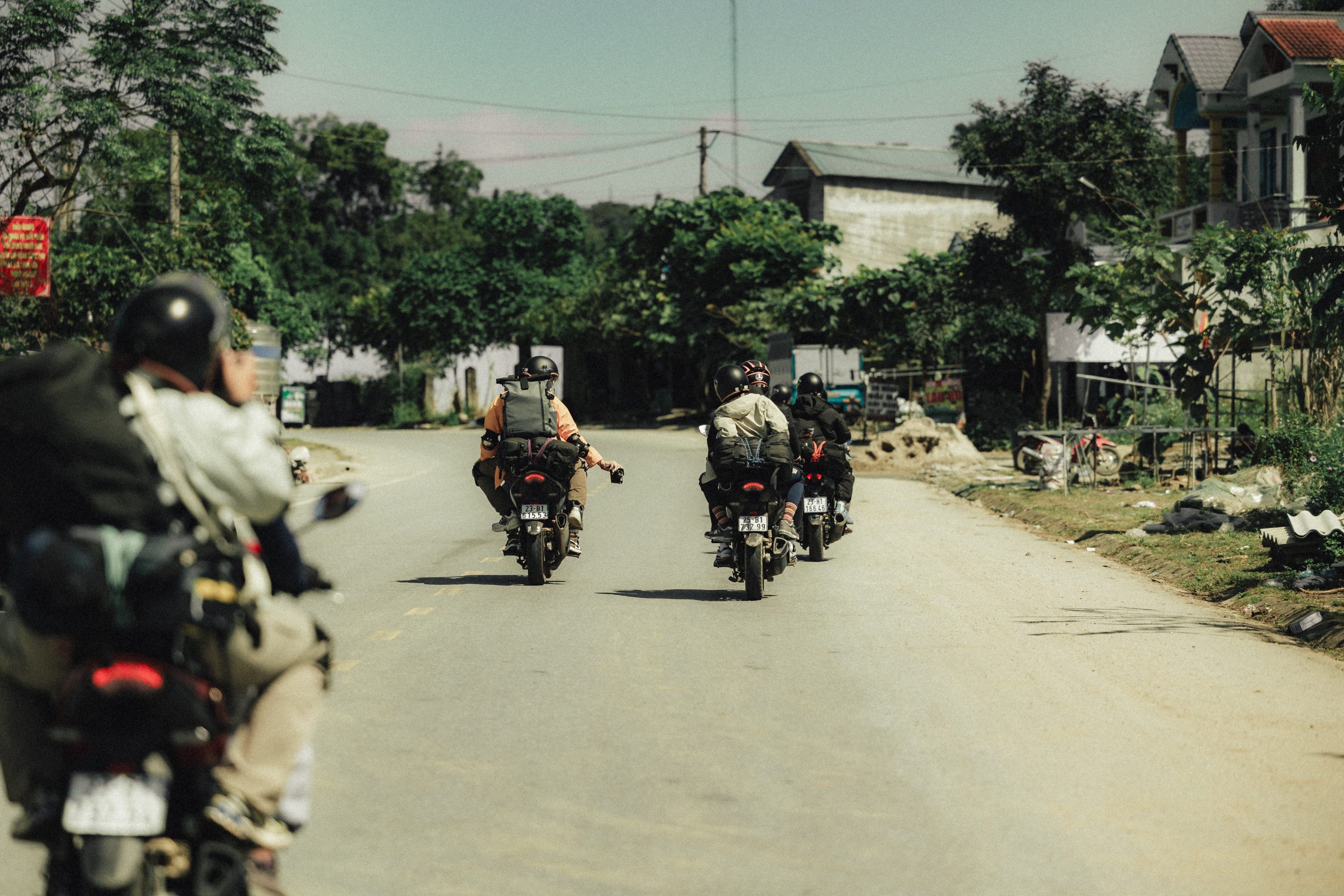
Managing Your Self-Drive Journey
Travel times on the Ha Giang Loop are not always predictable, even when the distance between destinations appears relatively short. Mountain roads, sightseeing stops, and unexpected delays can all affect your daily schedule. Careful planning and the flexibility to adjust your journey will help you make the most of your self-drive experience.
A few practical arrangements can make each riding day more manageable:
- Set realistic daily distances: Allow for slower average speeds on mountain roads, along with time for sightseeing, meals, and possible delays. Avoid building your schedule around the shortest travel time suggested by navigation apps.
- Use daylight strategically: Plan your departure and expected arrival so you can reach your accommodation before dark. Leave a reasonable time buffer for unplanned stops.
- Identify fuel stops in advance: Mark petrol stations along your intended route, particularly around larger towns such as Quan Ba, Yen Minh, Dong Van, and Meo Vac. Confirm availability locally rather than relying entirely on map listings.
- Coordinate overnight stays: Confirm your accommodation location and check-in arrangements, especially during busy travel periods or when staying in smaller villages.
- Prepare alternative plans: Keep a shorter riding option available in case weather, road access, or unexpected delays affect your original schedule.
- Save important travel details offline: Download maps and keep accommodation addresses, emergency contacts, and relevant support numbers accessible without mobile data. If you’re travelling with us, save our team’s contact information so you can reach us when assistance is needed.
For independent riders, these arrangements require ongoing attention throughout the trip. On a guided self-drive tour, a local guide can assist with navigation and daily coordination, giving you more time to focus on the riding experience.
Independent vs Guided Self-Drive: Which Suits You?
Choosing how to organise your Ha Giang Loop self-drive journey can shape your overall travel experience. Your riding experience, familiarity with the region, and expectations for the trip are all worth considering. The following comparison can help you determine which approach best suits your travel plans.
| Aspect | Independent Self-Drive | Guided Self-Drive |
| Navigation | Plan your own route and navigate using maps or GPS. | Follow a local guide who leads the group along the planned route. |
| Accommodation & meals | Research, book, and arrange everything independently. | Accommodation and scheduled meals are generally arranged as part of the tour package. |
| Flexibility | Decide your own departure times, stops, and daily distances. | Follow a planned schedule with stops coordinated by the guide. |
| On-road assistance | Handle unexpected situations yourself or contact local services. | Receive assistance and advice from the guide when difficulties arise. |
| Travel costs | Pay separately for motorbike rental, fuel, accommodation, meals, and other expenses. | Pay for an organised package, with inclusions varying by operator. |
Independent self-drive may suit experienced riders who are comfortable navigating unfamiliar areas and prefer complete control over their travel plans. Guided self-drive is a practical alternative for those who want to ride their own motorbike without managing every logistical detail.
Our guided self-drive tours are designed for travellers who want to experience the Ha Giang Loop from the rider’s seat with local guidance throughout the journey. Regardless of how you organise your trip, you must hold a motorcycle licence recognised in Vietnam for your chosen vehicle and have sufficient riding experience to handle the route safely.
Explore the Ha Giang Loop with Ha Giang Expeditions
Experience the thrill of exploring the Ha Giang Loop on your own motorbike with Ha Giang Expeditions. Our team is here to help you find a guided self-drive tour that suits your riding experience, travel preferences, and schedule. Get in touch with us for personalised advice, detailed tour information, and booking assistance.
Contact Ha Giang Expeditions today and let us accompany you on your next Ha Giang adventure!
Hotline: (+84) 39 767 98 89