The Ha Giang Loop has become one of Vietnam’s most talked-about adventures, bringing more travelers than ever to Dong Van, Ma Pi Leng and the mountain roads of the far north. Yet beyond these familiar names, Ha Giang stretches much further into quiet valleys, small villages and lesser-traveled roads where the journey feels noticeably different. Going off the beaten path is less about avoiding the famous Loop and more about discovering what lies beyond it – taking unexpected detours, slowing down in remote communities and shaping a route that goes deeper into the mountains.
Table of contents
- Is Ha Giang Still Off the Beaten Path?
- Classic Ha Giang Loop vs. Off-the-Beaten-Path Route
- A 5-Day Ha Giang Off-the-Beaten-Path Itinerary
- What to Expect Along the Way
- Go Deeper or Go Further: Extending Your Ha Giang Journey
- Practical Tips for Exploring Ha Giang Beyond the Main Loop
- Explore Ha Giang Differently with Ha Giang Expeditions
Is Ha Giang Still Off the Beaten Path?
Ha Giang has changed considerably as the Loop has grown in popularity. Dong Van, Ma Pi Leng and Du Gia now sit firmly on the travel map, supported by established tour routes, homestays and services that make the journey more accessible than it once was.
Yet popularity is concentrated along a relatively familiar circuit. Ha Giang stretches far beyond these established stops, and a small change in direction can quickly lead into areas that receive a fraction of the traffic.
Ha Giang can still feel off the beaten path, but the experience now lies beyond the standard itinerary rather than the destination itself. Traveling slower, exploring lesser-used roads and allowing room for unexpected stops can reveal a very different side of the province.

Classic Ha Giang Loop vs. Off-the-Beaten-Path Route
The difference between the Classic Ha Giang Loop and an off-the-beaten-path route is not simply a matter of which places appear on the map. Both journeys can include icons such as Dong Van and Ma Pi Leng, but the experience changes through the roads taken between them, the time spent in smaller communities and the freedom to venture beyond the usual stops.
| What changes? | Classic Ha Giang Loop | Off-the-Beaten-Path Route |
| The journey | Follows the familiar circuit through Quan Ba, Yen Minh, Dong Van, Ma Pi Leng, Meo Vac and Du Gia | Branches onto quieter mountain roads and alternative sections beyond the standard circuit |
| Your days on the road | Days are generally planned around the Loop’s main sights and overnight towns | Daily distances can be shorter, leaving more time for walks, spontaneous stops and unplanned detours |
| What you see | Ha Giang’s iconic passes, viewpoints, towns and landscapes take center stage | Familiar highlights are mixed with remote valleys, small villages and scenery rarely seen on standard tours |
| Time with local communities | Homestays, markets and roadside stops offer natural opportunities to meet local people. | More time in smaller communities allows everyday village life to become a greater part of the journey |
| Flexibility | The route is relatively established, making each day easier to plan in advance | Routes can shift with weather, road conditions and what you discover along the way |
| Who it suits | Well suited to first-time visitors who want to experience Ha Giang’s signature landscapes within a shorter trip | Suited to travelers who value flexibility, less-traveled areas and more time in each place |
Both styles can work well within the same trip. A journey might follow the famous road across Ma Pi Leng, then branch toward quieter villages or mountain trails where the experience becomes more personal. Trekking adds another dimension to this kind of exploration, giving you time to discover the rugged highlands on foot and experience places beyond the usual roadside stops. You can find a similar mix of scenic riding and trekking in this 3-day Ha Giang adventure.
A 5-Day Ha Giang Off-the-Beaten-Path Itinerary
Five days gives you enough time to move beyond the usual Loop without rushing past the places that make Ha Giang worth the journey. The route below weaves iconic mountain scenery with quieter roads and villages, gradually taking you deeper into the region while leaving room to slow down along the way.
Day 1: Ha Giang → Quan Ba → Nam Dam
Leaving Ha Giang City, the journey gradually climbs into the mountains toward Quan Ba, passing winding roads, limestone peaks and broad valleys along the way. Stops around Quan Ba Heaven Gate offer the first wide views of the northern highlands before the route turns toward Nam Dam, a Dao village tucked away from the busier road.
Rather than continuing straight to Yen Minh as on many Classic Loop itineraries, spending the night in Nam Dam gives the first day a slower finish. You have time to walk around the village, see traditional earthen houses and settle into a local homestay, offering a gentle introduction to rural life before heading deeper into Ha Giang.
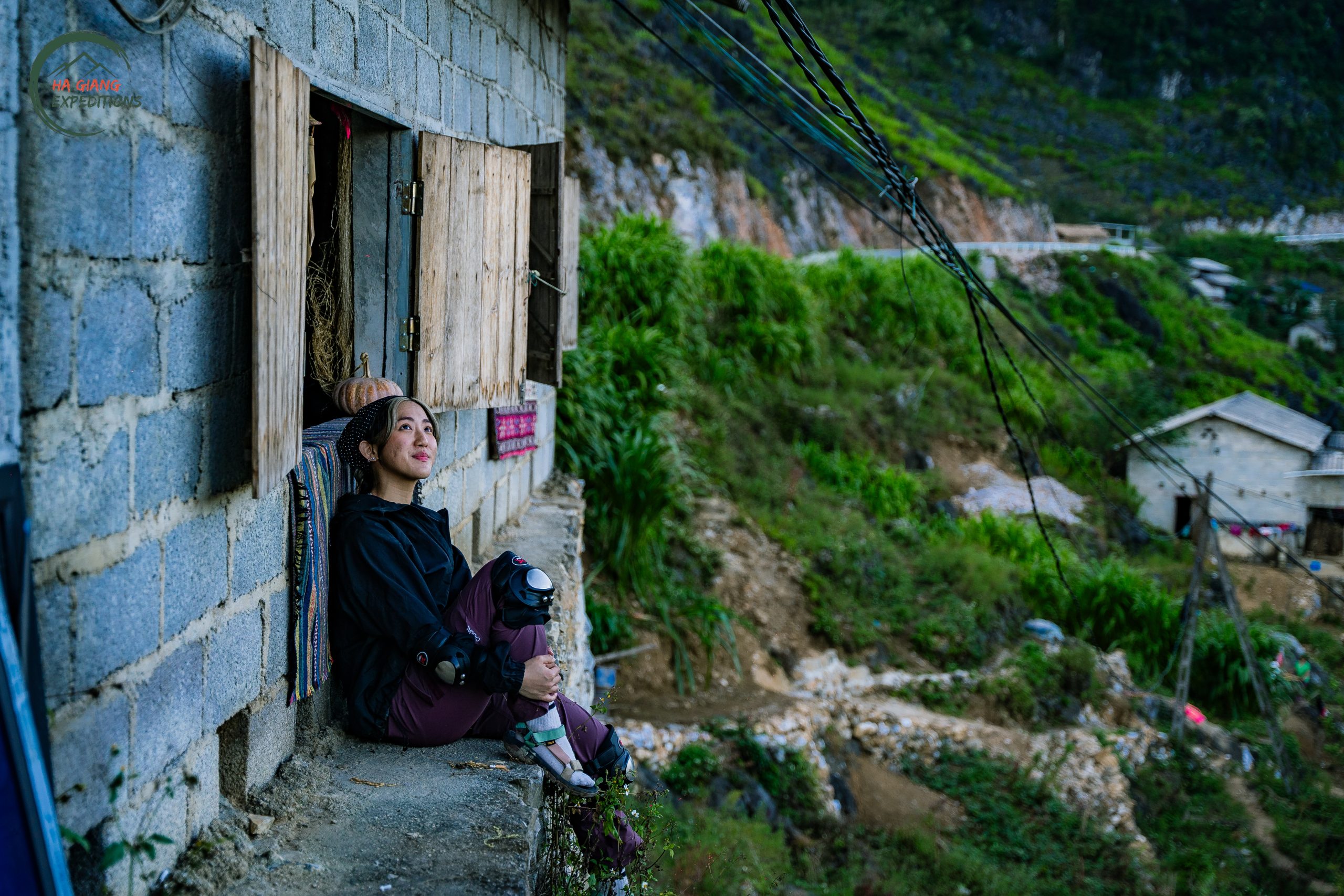
Day 2: Nam Dam → Duong Thuong → Du Gia
Duong Thuong gives Day 2 a distinctly rural character. Life here unfolds close to the road, with farming communities, cultivated fields and small settlements offering glimpses into everyday life in the highlands. With fewer scheduled sightseeing stops, there is more freedom to pause, look around and experience the places you pass through.
The day ends in Du Gia, where the pace naturally slows. Spend the late afternoon walking around the village, following paths through the fields or relaxing at a homestay before dinner. It is a day shaped less by famous landmarks and more by the simple experience of being in rural Ha Giang.
Day 3: Du Gia → Mau Due → Meo Vac → Khau Vai
Day 3 brings some of the journey’s most dramatic changes in scenery. Around Mau Due, cultivated valleys sit beneath rugged limestone mountains, while the road climbs and curves through small settlements on the way to Meo Vac. The town marks a familiar point on the Ha Giang Loop, but the day continues further into the mountains toward Khau Vai.
Khau Vai is best known for its annual Love Market, but outside the festival period it feels markedly different. The final stretch passes through steep limestone country with noticeably lighter traffic, extending the day beyond the familiar Meo Vac stop and into a part of eastern Ha Giang that many standard Loop itineraries never reach.
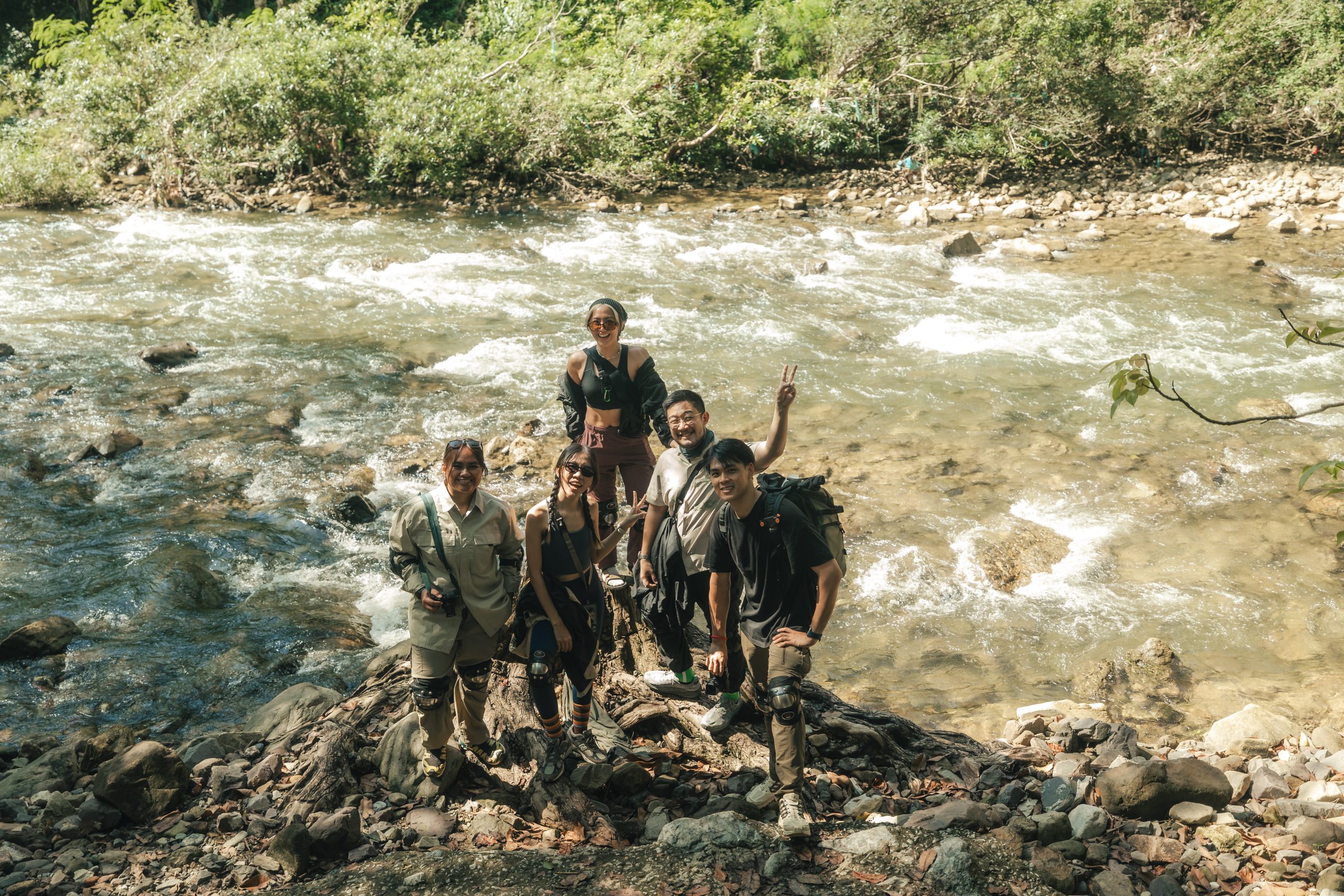
Day 4: Khau Vai → Ma Pi Leng → Dong Van → Thien Huong
Few stretches of the journey feel as dramatic as the road around Ma Pi Leng Pass, where towering limestone peaks drop toward the Nho Que River below. After the quieter roads around Khau Vai, this section reveals the iconic side of Ha Giang before reaching Dong Van, with its old quarter and lively mountain-town atmosphere.
Beyond Dong Van, Thien Huong offers a gentler end to the day. This centuries-old village near the Chinese border is known for its traditional houses, narrow lanes and ancient banyan trees. An evening here gives you time to experience village life at a slower pace, adding a quieter contrast to the grand mountain scenery earlier in the day.
Day 5: Thien Huong → Pho Bang → Yen Minh → Ha Giang
The final day takes a quieter turn through Pho Bang, a small border town framed by limestone mountains. Its old houses, narrow streets and slower pace make it an atmospheric stop before the route reconnects with Yen Minh and begins the longer journey back to Ha Giang City.
Beyond Pho Bang, the high karst landscape gradually softens into greener valleys as the road reconnects with Yen Minh and continues south. The long ride back to Ha Giang City gives the itinerary a natural finish, with the scenery changing gradually all the way to the end of the Loop.
What to Expect Along the Way
Going beyond the usual Ha Giang Loop comes with a few practical differences that are worth knowing before you set out. Services become simpler, plans may need to stay flexible, and some comforts are less readily available once the journey reaches more remote areas.
Road Conditions
Road conditions can change quickly in the mountains. A section that is easy to ride in dry weather may become muddy or slippery after heavy rain, while construction and occasional landslides can affect the planned route. Checking local conditions before heading out is particularly important on secondary roads, where updates may not always appear on navigation apps.
Homestays & Accommodation
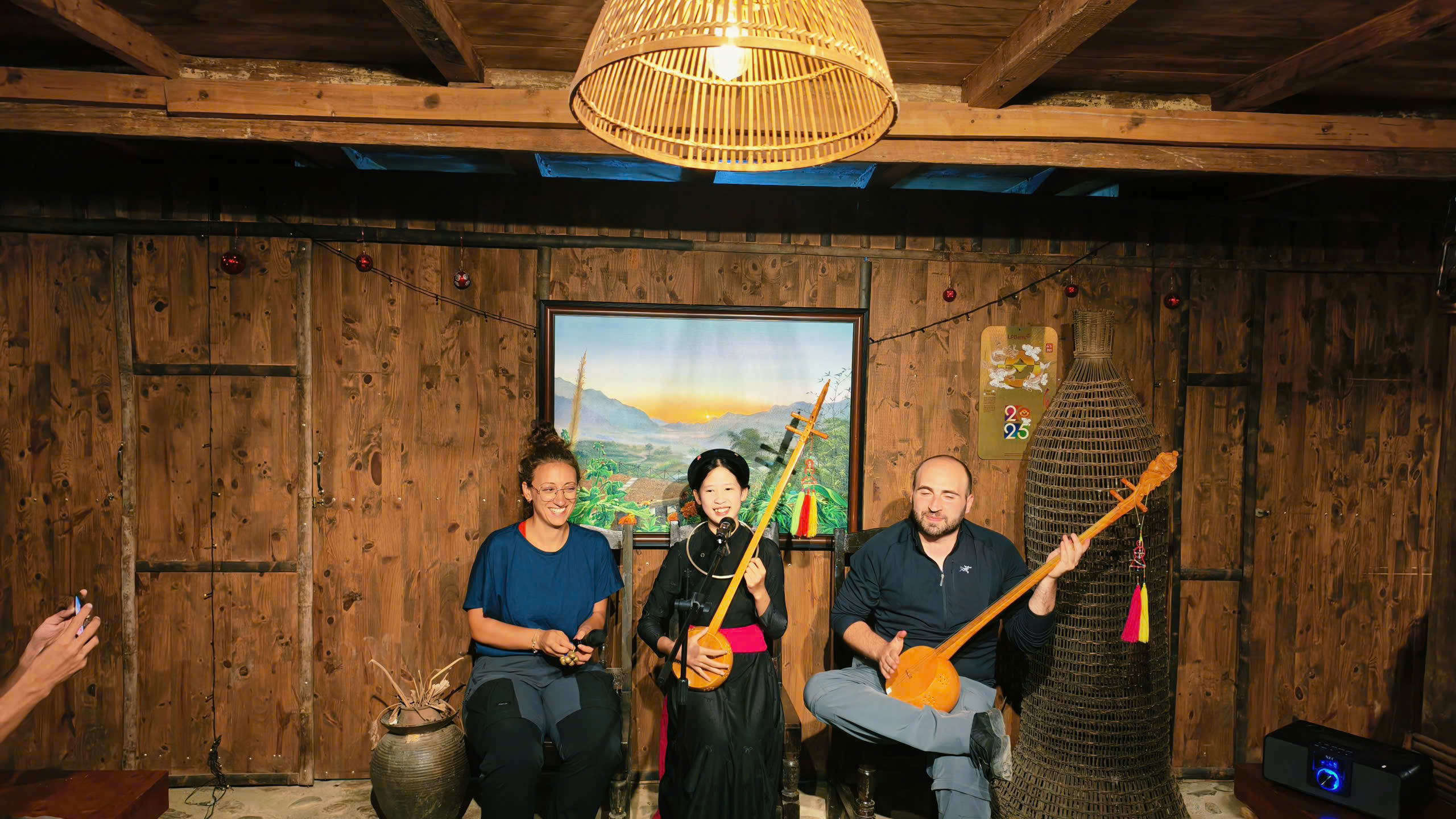
Expect accommodation to become simpler as you move further from Dong Van, Meo Vac and other established tourist stops. Family-run homestays and small guesthouses are more common, with clean rooms and the essentials for an overnight stay, though private bathrooms, heating or other hotel-style facilities may not always be available. For many travelers, the warm welcome and evening spent in a family home become part of the experience itself.
Food on Remote Routes
Meal choices narrow considerably outside the larger towns, so this is not a journey where you can always choose from a long restaurant menu. Meals often follow what is fresh and available locally, with rice, vegetables, eggs, pork, chicken and seasonal produce appearing regularly at homestays. Dietary requirements are best communicated in advance, especially vegetarian, vegan or allergy-related requests.
Villages & Local Life
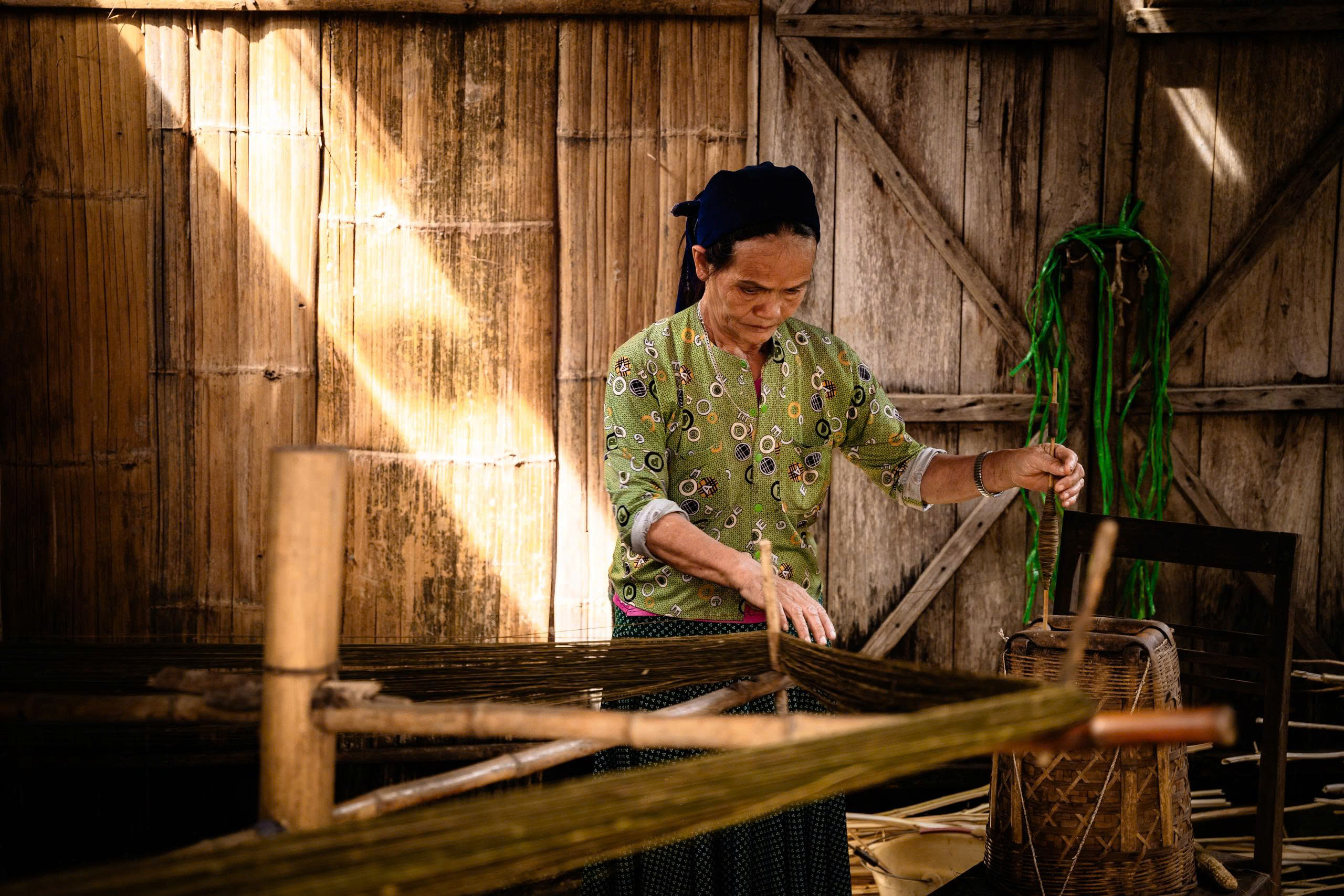
Many villages along these routes are living communities, where farming, family life and daily routines continue regardless of who is passing through. A respectful visit means asking before photographing people, keeping noise low and following your host or guide when entering homes or community spaces. A few words of greeting and genuine curiosity often lead to far more meaningful interactions than treating the village as another sightseeing stop.

Go Deeper or Go Further: Extending Your Ha Giang Journey
Five days can reveal a very different side of Ha Giang, but there is still plenty of room to take the journey further. Extra time gives you a choice: explore the province in greater depth, head west toward the rice terraces of Hoang Su Phi, or continue east into Cao Bang for an entirely new stretch of northern Vietnam.
Spend More Time Beyond the Classic Loop
Extra days do not have to mean adding more kilometers. They can give you time to step off the bike, follow mountain trails, spend longer in rural communities or simply stay another night in a place that deserves more than a quick stop.
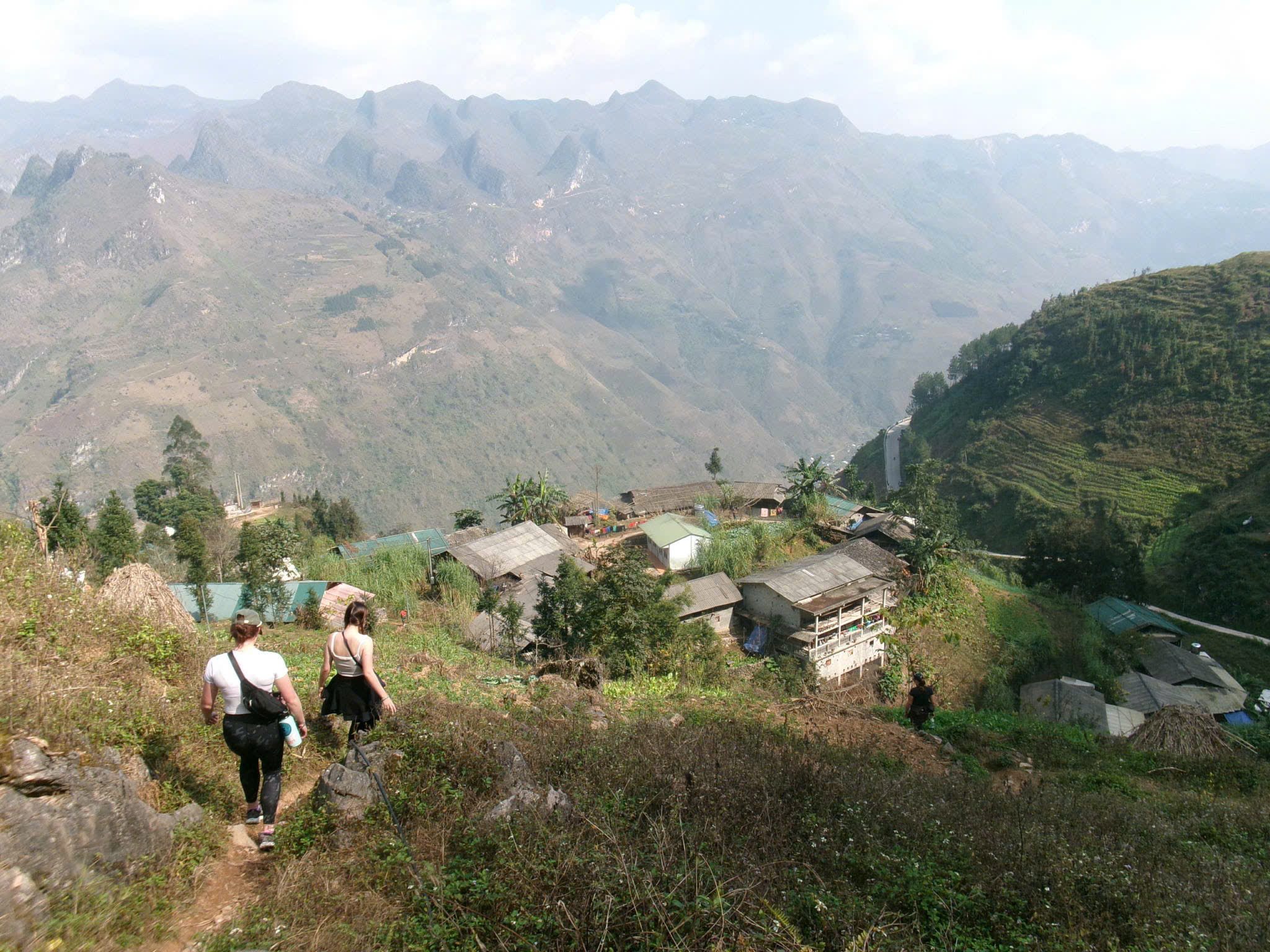
Trekking is particularly easy to weave into a longer Ha Giang journey, adding a different perspective after several days on the road. A Ha Giang trekking experience can fill a full day on foot, while the rest of the itinerary remains open for riding and exploring further afield.
Head West to Hoang Su Phi
The mountains take on a different character toward Hoang Su Phi. Vast rice terraces wrap around steep hillsides, trails connect rural communities across the valleys, and walking becomes one of the most rewarding ways to experience the landscape.
Timing makes a real difference here. The terraces shift with the farming calendar, from reflective fields during the water season to lush green slopes and, later, golden rice around harvest. Hoang Su Phi works especially well as an extension for travelers who have already experienced the rocky landscapes of Dong Van and want to see another side of Ha Giang.
Continue East to Cao Bang
Another option is to keep moving east and let Ha Giang become the first half of a longer mountain journey. Cao Bang introduces a new landscape of limestone valleys, rivers and rural communities, with Ban Gioc Waterfall providing a spectacular finale near the Chinese border.
Travelers with several days available can connect the two provinces in one continuous route. Ha Giang Expeditions offers a 4-day Ha Giang-Cao Bang journey as well as a 5-day Ha Giang-Cao Bang route for those who want more time on the road.

Practical Tips for Exploring Ha Giang Beyond the Main Loop
A few simple habits can make remote sections of Ha Giang much easier to manage. Preparation matters, but so does leaving enough flexibility for the mountains to change your plans.
- Keep your route flexible: Mountain weather, roadworks or landslides can occasionally make a planned section difficult to access. Leave some room in the schedule for route changes, especially during the rainy season.
- Fill up before remote stretches: Fuel stations become less frequent on smaller mountain roads. Start longer sections with a full tank and ask locally where the next reliable fuel stop is.
- Carry enough cash: Homestays, small restaurants and local shops in rural areas may not accept cards or digital payments. Keep enough Vietnamese dong for meals, accommodation and small expenses along the way.
- Download offline maps: Mobile coverage can become patchy in valleys and mountainous areas. Offline maps are useful as a backup, although minor roads shown on navigation apps may not always reflect current conditions.
- Pack for changing weather: Sun, rain, fog and cooler temperatures can all appear within the same journey, particularly at higher elevations. Keep a waterproof layer and warmer clothing within easy reach so you can adjust as conditions change.
Good preparation becomes even more important once you venture beyond the main Loop, where shops and services are less readily available. Before setting out, check our Ha Giang Loop Packing List for a practical breakdown of what to bring for the road.
Explore Ha Giang Differently with Ha Giang Expeditions
There is no single route that defines an off-the-beaten-path journey through Ha Giang. Some travelers want more time on mountain roads, others would rather add trekking, photography, village stays or continue further toward Cao Bang. At Ha Giang Expeditions, we shape the journey around what you actually want to experience, while using our local knowledge to connect the right roads and places along the way.
Have something different in mind? Explore our Customized Ha Giang Tours or tell us what kind of adventure you are looking for. We’ll help turn your ideas into a route that feels genuinely yours.