Ha Giang offers a unique blend of breathtaking mountain scenery, winding roads, and vibrant ethnic cultures, making it an unforgettable destination in Northern Vietnam. But with so many places to explore and travel options to consider, planning your first Ha Giang trip can feel overwhelming. Where should you start, how many days do you need, and what should you prepare before setting off? Ha Giang Expeditions brings you a comprehensive Ha Giang travel guide filled with practical tips and local insights to help you plan your journey, make informed decisions, and enjoy a memorable adventure in this remarkable region.
Table of contents
Where Is Ha Giang and What Makes It Unique?
Ha Giang’s unique character is closely tied to its geography and the communities that have called this mountainous region home for generations. Exploring these two aspects offers a deeper understanding of the region and what makes it different from other destinations in Vietnam.
Location and Geography of Ha Giang
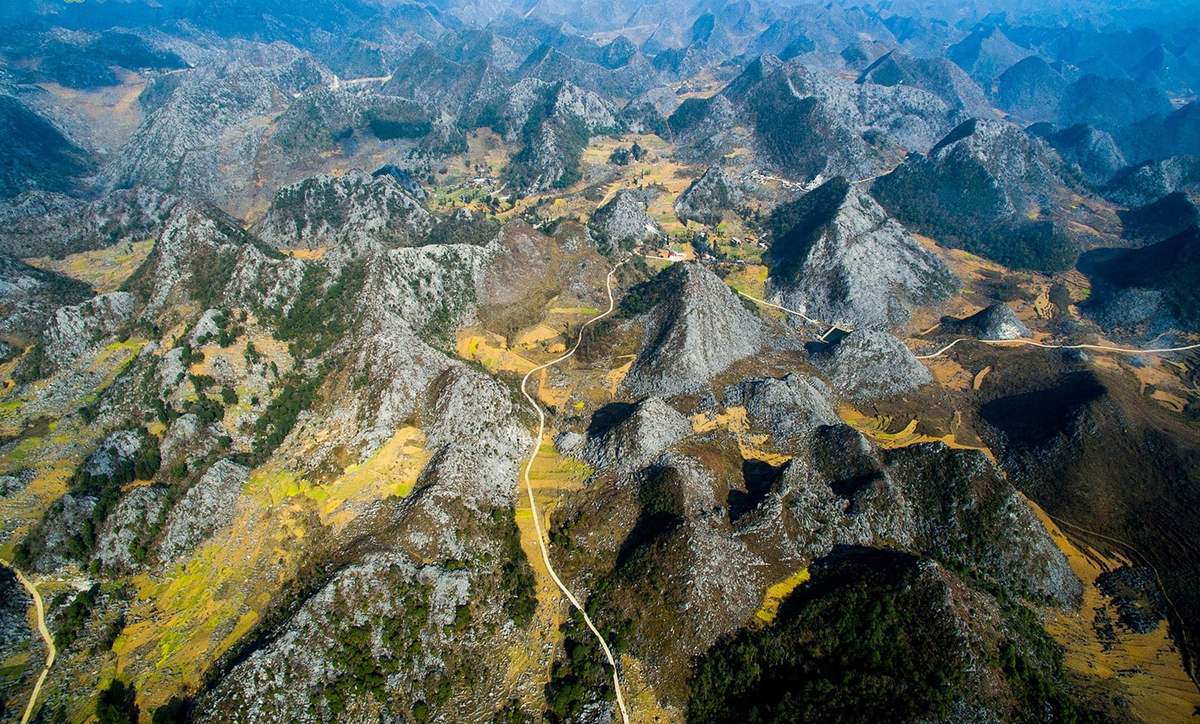
Located in the far north of Vietnam, Ha Giang is a mountainous region bordering China’s Yunnan Province, approximately 300 km from Hanoi. Although the former Ha Giang Province was officially merged with Tuyen Quang Province on July 1, 2025, the name Ha Giang remains widely used by travelers to refer to this remarkable destination. Its remote location and challenging terrain have helped preserve much of the region’s distinctive natural character.
The landscape changes dramatically across Ha Giang, with steep limestone mountains, deep valleys, winding mountain roads, and terraced fields. One of its most significant geographical features is the Dong Van Karst Plateau, a UNESCO Global Geopark covering approximately 2,356km2. Situated at an average elevation of 1,000 – 1,600 meters, the plateau is home to ancient limestone formations, narrow canyons, and towering cliffs shaped by millions of years of geological processes. These rugged conditions also influence local agriculture, transportation, and everyday life in the mountain communities.
The People and Cultural Heritage of Ha Giang
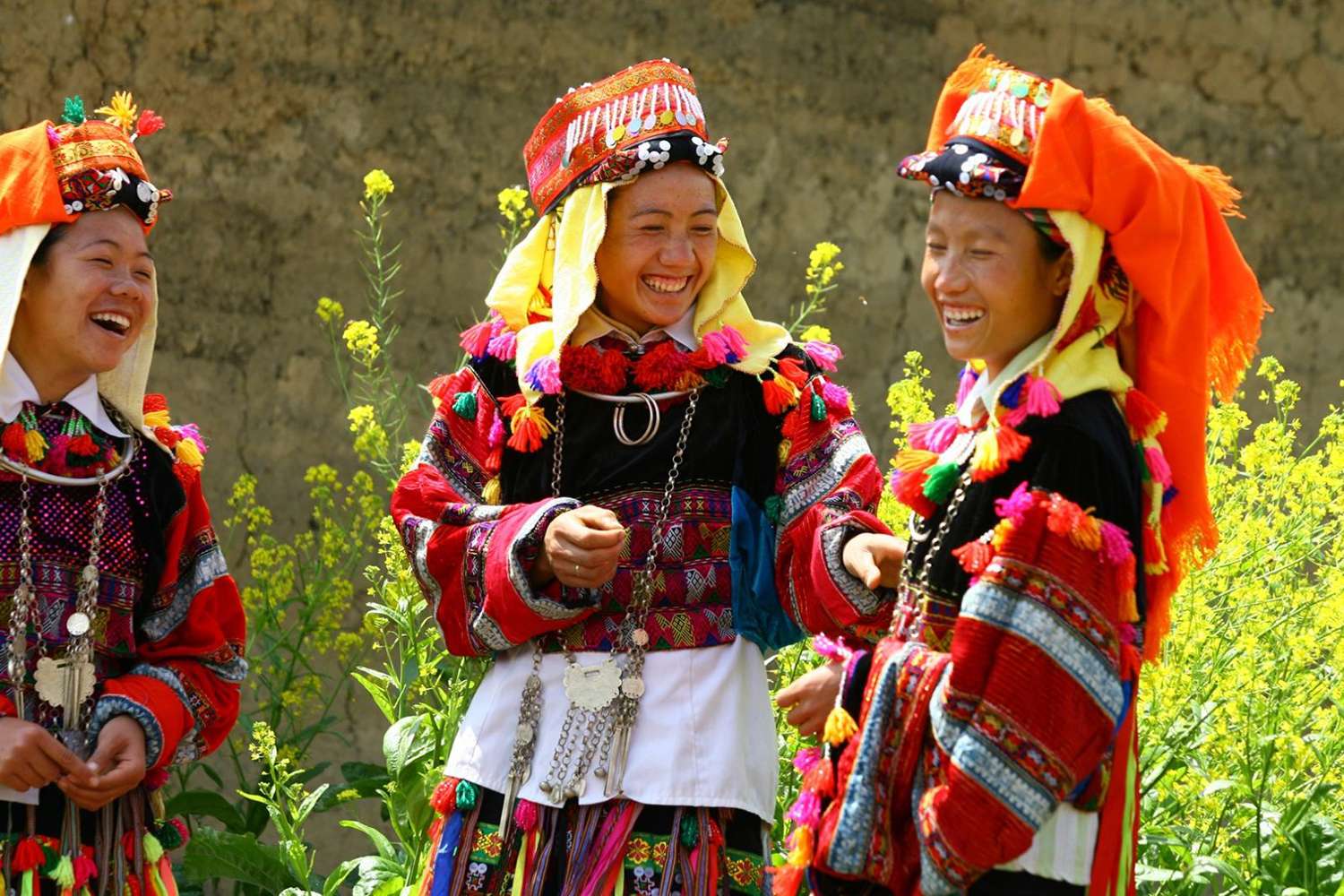
Ha Giang is home to a rich diversity of ethnic communities, including the H’Mong, Dao, Tay, Nung, Lo Lo, and Giay people. Each community has its own customs, traditional clothing, languages, and cultural practices, many of which remain part of daily life. The H’Mong are the largest ethnic group in the former Ha Giang Province, while other communities contribute to the region’s cultural identity through their architecture, craftsmanship, and traditional celebrations.
The connection between local culture and the mountainous environment is especially evident in traditional farming practices. On the rocky Dong Van Plateau, generations of H’Mong and other ethnic communities have cultivated corn in small pockets of soil between limestone rocks, adapting to limited farmland and water resources. This indigenous farming knowledge was recognized as a National Intangible Cultural Heritage in 2014. Traditional architecture also reflects the region’s natural conditions, with earthen-walled houses, stone fences, and wooden structures built using locally available materials. These practices reveal how communities have adapted to the challenging terrain while maintaining cultural traditions passed down through generations.
What to Know Before Traveling to Ha Giang
Planning a trip to Ha Giang requires careful consideration of the region’s mountainous terrain, changing weather conditions, and travel distances. Choosing the right season and allowing enough time to explore can make your journey more comfortable and enjoyable
Best Time of Year for a Ha Giang Trip
The best time to visit Ha Giang is generally March to April and September to November, when the weather is relatively pleasant and conditions are often favorable for exploring the mountains. Each season brings a different experience, so your ideal travel dates will depend on the scenery you want to see and the activities you have planned.
| Season | What to Expect |
| Spring (March – April) | Mild temperatures, blooming flowers, and increasingly green landscapes. A good choice for sightseeing and outdoor activities. |
| Summer (May – August) | Lush vegetation and flowing waterfalls, but frequent heavy rain can make mountain roads slippery and increase the risk of landslides. |
| Autumn (September – November) | Golden rice terraces in areas such as Hoang Su Phi, buckwheat flowers later in the season, and generally improving weather conditions. |
| Winter (December – February) | Cold temperatures, misty valleys, and quieter villages. Higher elevations can experience dense fog and occasional frost. |
Our recommendation: October and November are excellent choices for travelers interested in autumn landscapes, while March and April offer comfortable conditions for exploring. If you plan to visit during the rainy season, check local weather forecasts and road conditions before departure, as heavy rainfall may affect your itinerary.
How Many Days Should You Spend in Ha Giang?
Most travelers should allow 3 to 4 days for a Ha Giang trip. This gives you enough time to experience the region’s mountain scenery, visit traditional villages, and enjoy the journey without spending every moment on the road. The ideal duration also depends on your travel style, interests, and whether you want to explore beyond the classic Ha Giang Loop.
- 3 – 4 Days Adventure Ha Giang Loop: One of Ha Giang Expeditions’ signature experiences, this option is ideal for travelers seeking a more active journey. Alongside spectacular mountain routes and cultural encounters, selected itineraries feature outdoor activities such as trekking, kayaking, and camping. The additional experiences offer a different perspective on Ha Giang beyond conventional sightseeing.
- 3 Days – Classic Ha Giang Loop: A practical choice for travelers with limited time who want to discover the region’s iconic landscapes and cultural landmarks. The journey focuses on the main highlights of the Ha Giang Loop, offering a well-rounded introduction to the area.
- 4 Days – Classic Ha Giang Loop: An option for those who prefer more time to appreciate the scenery and explore local communities. The extended itinerary allows for additional stops and a more comfortable travel pace, particularly along winding mountain roads.
Is Ha Giang Suitable for First-Time Visitors?
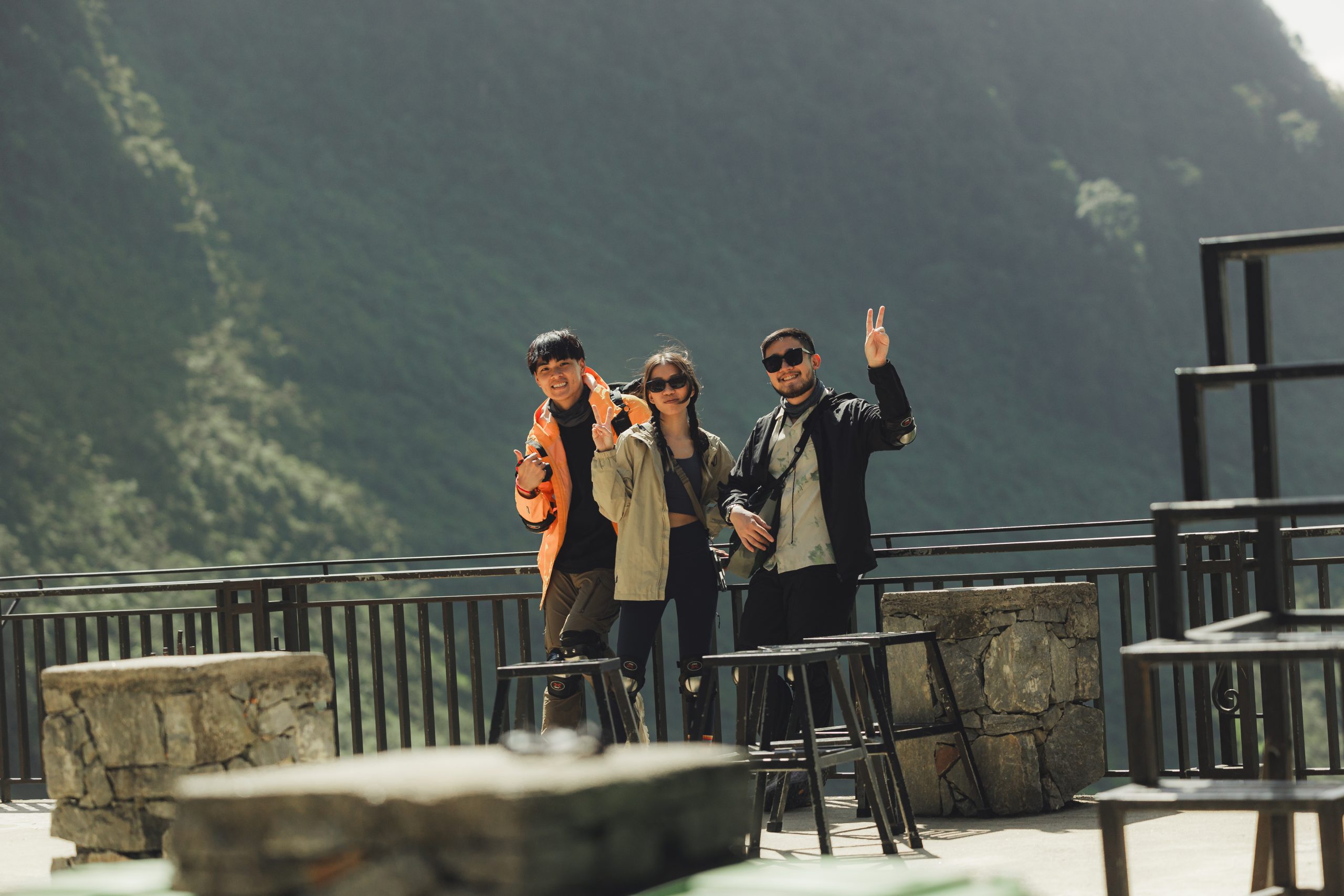
Ha Giang can be an exciting destination for first-time visitors, even those unfamiliar with traveling through mountainous regions. The experience does not require previous motorbike touring experience, especially when joining a guided trip. However, the region’s steep mountain roads, considerable travel distances, and remote setting mean that visitors should consider their personal comfort and physical condition before choosing an itinerary.
- Consider your comfort with mountain travel as journeys often involve several hours on winding roads, which may be tiring for people prone to motion sickness or uncomfortable with steep mountain passes.
- Choose activities that match your fitness level since experiences such as trekking and kayaking can involve physical effort, while scenic sightseeing and village visits are generally less demanding.
- Allow time to adjust to the travel pace by taking regular breaks and avoiding an overly demanding schedule, particularly if this is your first extended journey through Northern Vietnam’s mountains.
- Understand the nature of guided travel as Easy Rider tours allow you to experience mountain roads without operating a motorbike yourself, while experienced local guides can assist with communication and unfamiliar situations.
- Discuss personal requirements before booking including dietary restrictions, mobility concerns, preferred accommodation arrangements, or any other needs that could influence your experience.
How to Get to Ha Giang
Reaching Ha Giang requires a journey by road, as the region has no airport or railway station. Hanoi is the most common starting point, although travelers exploring Northern Vietnam can also reach Ha Giang from destinations such as Sapa, Ninh Binh, and Ha Long Bay. Travel times vary depending on your departure point, transportation choice, and road conditions.
Traveling from Hanoi
Hanoi is approximately 300km from Ha Giang, with a typical journey taking around 6 – 7 hours by road. Several transportation options are available depending on your budget, preferred departure time, and comfort level.
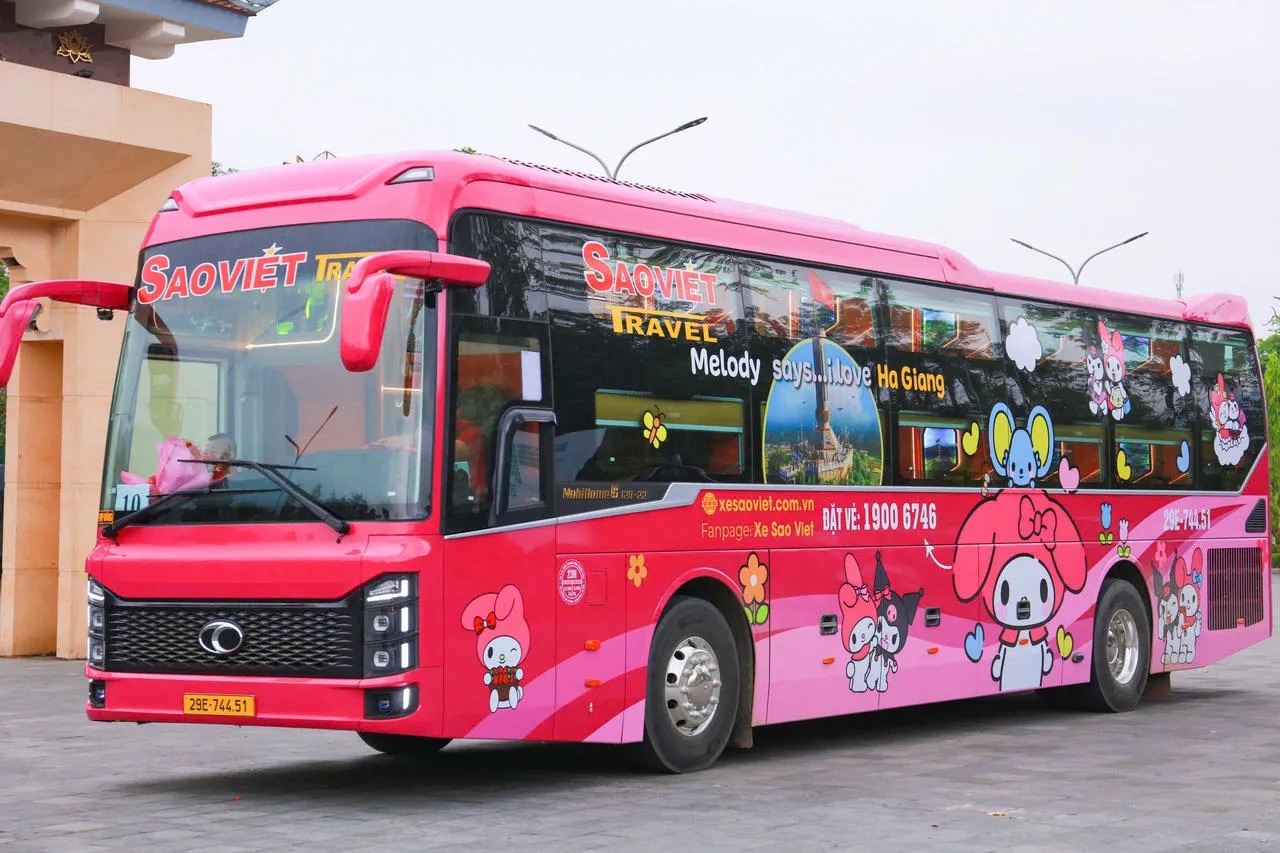
- Sleeper buses are a popular and affordable choice, with standard and VIP cabin options. Overnight departures are convenient for travelers who want to arrive in Ha Giang early the following morning.
- Limousine vans offer comfortable reclining seats and smaller passenger capacities, making them suitable for travelers who prefer daytime journeys.
- Private transfers provide greater flexibility with departure times, pickup locations, and rest stops, particularly for families or small groups.
Ha Giang Expeditions can assist with bus tickets and transfers from Hanoi, making it easier to coordinate your arrival with your tour departure. You can also check the Ha Giang Bus Schedule for transportation options and departure times.
Getting to Ha Giang from Other Northern Destinations
Ha Giang can also be included in a longer Northern Vietnam itinerary, particularly when visiting Sapa, Ninh Binh, or Ha Long Bay. Direct bus services are available on several routes, although journey times are generally longer due to the mountainous terrain and distances involved.
| Departure Point | Estimated Travel Time | Transportation |
| Sapa | Around 7 hours | Sleeper bus or limousine van |
| Ninh Binh | Around 8 hours | VIP sleeper bus |
| Ha Long Bay | Around 9 hours | Sleeper bus |
| Cat Ba Island | Around 13 hours | Bus and ferry transfer |
Traveling from Sapa is a practical option when combining trekking and mountain sightseeing with a Ha Giang adventure. Ninh Binh and Ha Long Bay can also be connected to Ha Giang by overnight bus, helping you organize a longer journey through Northern Vietnam.
For a detailed comparison of departure times and transportation options, refer to our 2026 Ha Giang Bus Schedule.
Choosing the Right Way to Explore Ha Giang
Ha Giang offers several ways to explore its mountainous landscapes, each providing a different level of adventure, comfort, and flexibility. Choosing the right option depends on your riding experience, travel preferences, and budget.
| Travel Option | Advantages | Best Suited For |
| Easy Rider Tour | Enjoy scenic mountain roads with an experienced local driver, without navigating or riding yourself. | First-time visitors, solo travelers, and adventure seekers. |
| Self-Driving Motorbike | Greater independence, flexible stops, and a more hands-on riding experience. Requires a valid license and strong riding skills. | Experienced riders seeking freedom and adventure. |
| Private Car or Jeep | More comfort, weather protection, and flexible travel arrangements. | Families, small groups, and travelers who prioritize comfort. |
Ha Giang Expeditions offers guided tours with different travel options, including Easy Rider, self-driving, and private tours. Whether you prefer the adventurous experience of a motorbike or the comfort of a private vehicle, you can choose an itinerary that matches your interests and travel style.
How Much Does a Ha Giang Trip Cost?
The cost of a Ha Giang trip depends on how you travel, where you stay, and whether you explore independently or join a guided tour. Ha Giang offers options for different budgets, from affordable local homestays and sleeper buses to private transfers and organized adventure tours. Understanding the main expenses will help you plan your budget and avoid unexpected costs along the way.
Transportation and Accommodation
Transportation and accommodation are two of the main expenses to consider when planning your Ha Giang trip. Prices vary depending on the type of vehicle, room preferences, and travel season.
Transportation costs
- Sleeper buses from Hanoi generally cost around 250,000 – 350,000 VND per person for a one-way journey, making them a budget-friendly option.
- VIP cabin buses and limousine vans typically range from 350,000 – 480,000 VND per person, offering more privacy or comfortable seating.
- Private transfers are considerably more expensive, with prices depending on the vehicle size, pickup location, and number of passengers. They may be more economical when shared among a group.
Accommodation costs
- Budget dormitories and shared homestays generally cost around 150,000 – 300,000 VND per person per night.
- Local homestays with private rooms typically range from 300,000 – 600,000 VND, depending on the property and room type.
- Hotels and higher-end accommodation cost more, particularly for private rooms with additional facilities and mountain views.
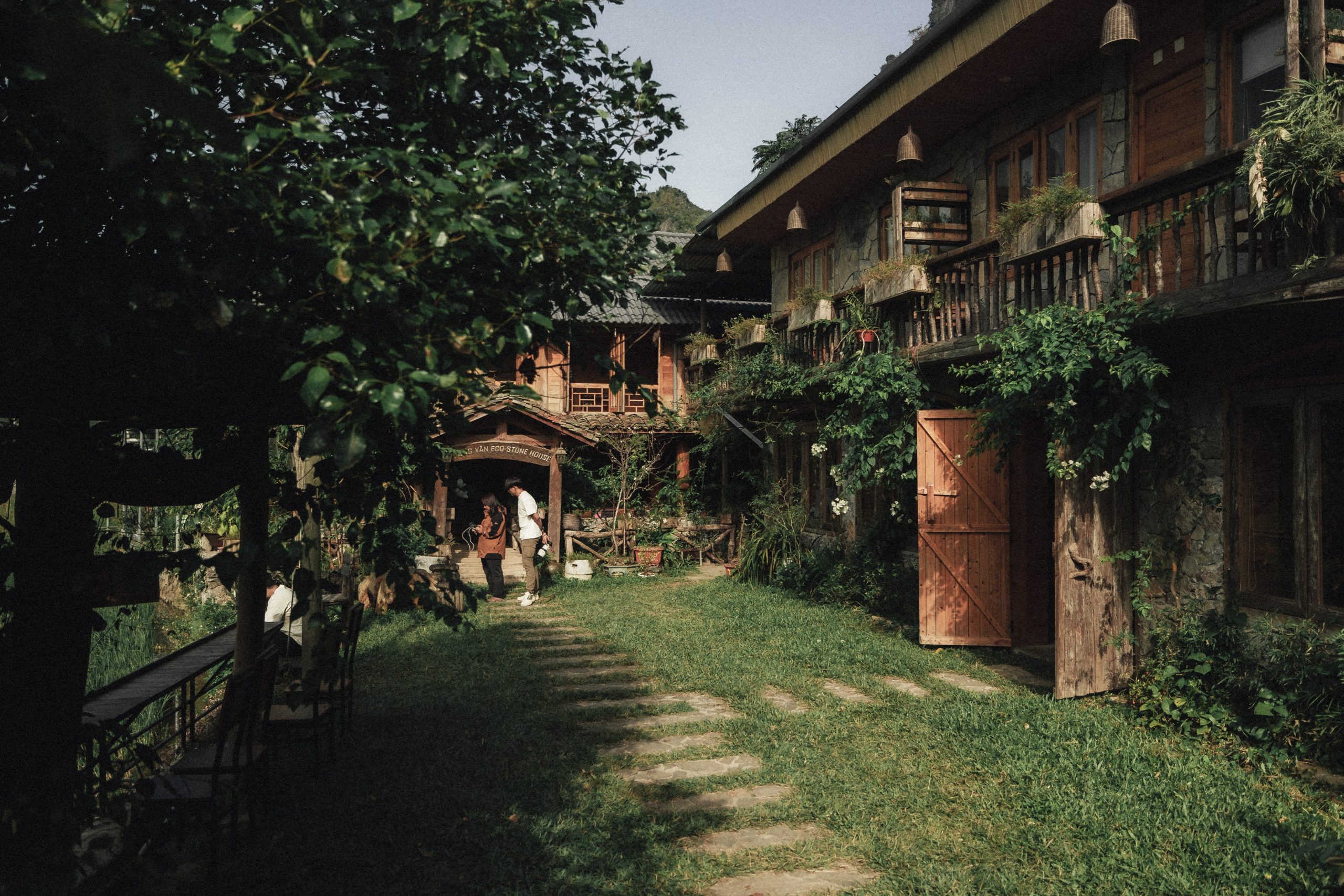
Staying in a local homestay is a popular way to experience Ha Giang’s traditional hospitality while keeping accommodation expenses manageable. Properties in Tha Village, for example, offer a range of room types and prices. You can explore Tha Village Homestay Guide for more information.
Food and Daily Expenses
Food in Ha Giang is relatively affordable, particularly when eating at local restaurants or family-run homestays. Your daily spending will depend on where you eat, the number of meals you purchase, and any additional activities.
| Expense | Estimated Cost |
| Local breakfast | 30,000 – 50,000 VND |
| Lunch or dinner at a local restaurant | 50,000 – 100,000 VND per person |
| Coffee or soft drinks | 20,000 – 50,000 VND |
| Snacks and bottled water | 20,000 – 50,000 VND |
| Daily food budget | Approximately 150,000 – 300,000 VND per person |
Please note that the prices listed above are for reference only and may vary depending on the season, location, and individual travel preferences.
Guided Tours and Additional Costs
The cost of a guided Ha Giang tour can vary significantly depending on the trip duration, group size, transportation type, accommodation preferences, and activities included in the itinerary. Private tours, room upgrades, and additional experiences may also affect the total price.
Ha Giang Expeditions offers a variety of tour options, including its signature Adventure Ha Giang Loop, Classic Ha Giang Loop, and private tours tailored to different travel preferences. Tour packages may include transportation, accommodation, meals, local guides, and selected activities, while personal expenses and optional services are typically charged separately.
For accurate pricing and detailed information about tour inclusions, please contact Ha Giang Expeditions directly via hotline (+84) 39 767 98 89. Our team will help you choose a suitable itinerary and provide a personalized quote based on your travel plans and preferences.
Understanding Local Life and Culture in Ha Giang
Life in Ha Giang moves to a rhythm shaped by farming, family routines, and community gatherings. Early mornings often begin with agricultural work or preparations for local markets, while village homestays offer glimpses into traditional cooking and family life. Exploring these everyday activities gives you a closer understanding of the region beyond its famous mountain scenery. Knowing how to interact respectfully with residents is equally important when visiting these communities.
Local Markets and Everyday Life
Traditional markets are an important part of everyday life in Ha Giang, particularly in remote mountain communities where villages are separated by considerable distances. These gatherings provide opportunities for residents to exchange agricultural products, purchase household essentials, meet relatives, and maintain social connections. Many markets are held weekly, attracting people from surrounding villages who often arrive early in the morning.
Some of the most distinctive markets worth exploring include:
- Dong Van Sunday Market takes place every Sunday morning near Dong Van Old Quarter, bringing together local residents selling fresh produce, traditional clothing, handmade goods, and household necessities. The market is usually liveliest in the early morning.
- Meo Vac Sunday Market is one of the largest traditional markets in the area, where visitors can observe livestock trading, browse stalls selling local products, and experience the lively atmosphere of a highland market.
- Khau Vai Love Market is an annual cultural gathering traditionally held around the 27th day of the third lunar month. Unlike regular markets, it is associated with local legends of love and reunion, bringing people together for cultural activities and social gatherings.
Outside market days, daily life in Ha Giang follows the rhythms of farming and family activities. Depending on the location and season, you may see residents tending cornfields on rocky hillsides, cultivating rice terraces, raising livestock, or preparing traditional meals. Many families also operate small shops and homestays, creating opportunities for visitors to learn about local routines through everyday interactions.
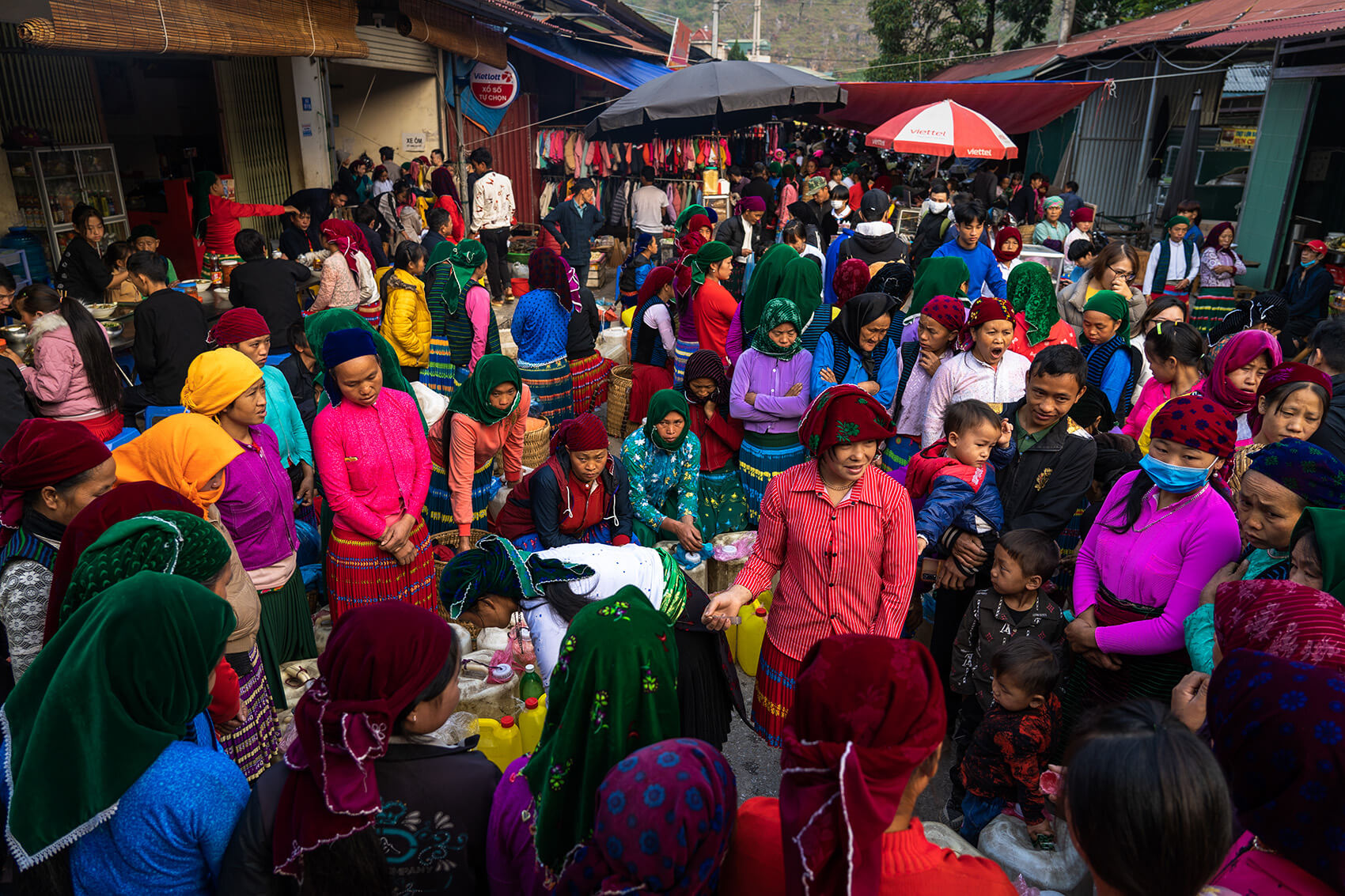
Travel tip: If you want to experience a traditional market, plan your visit around its operating day and arrive early, as many vendors begin packing up before midday. Our experienced local guides can help you communicate with sellers and better understand the customs and traditions associated with each market.
Cultural Etiquette for Visitors
Visiting Ha Giang’s villages and markets offers valuable opportunities to connect with local communities, but respecting their customs and personal boundaries is essential. Many cultural practices are closely connected to family life, spiritual beliefs, and community traditions, so thoughtful behavior helps create positive interactions between visitors and residents.
- Ask permission before taking photographs of local people, especially children and elderly residents, and respect their decision if they decline.
- Respect private homes and sacred spaces by waiting for an invitation before entering houses or areas used for religious ceremonies, and following any instructions provided by your host.
- Dress respectfully when visiting villages and pay attention to local expectations, particularly during traditional festivals and ceremonies.
- Be considerate when visiting local markets by avoiding disruptive behavior, asking before photographing vendors, and negotiating prices politely when appropriate.
- Support local communities by purchasing locally made handicrafts, choosing family-run homestays, and paying fair prices for products and services.
- Protect the surrounding environment by disposing of waste properly, staying on designated paths, and avoiding damage to farmland or village property.
Learning a few basic Vietnamese greetings, such as Xin chào (hello) and Cảm ơn (thank you), can also make everyday interactions friendlier, although some residents primarily speak their own ethnic languages. Our experienced local guides can help you overcome language barriers, communicate with residents, and gain a deeper understanding of Ha Giang’s cultural traditions.
Plan Your Ha Giang Journey with Ha Giang Expeditions
Ready to discover the beauty of Ha Giang? Ha Giang Expeditions offers a variety of carefully designed tours that bring you closer to the region’s spectacular landscapes, rich cultural heritage, and authentic local experiences. Whether you’re seeking an adventurous journey or a more relaxed exploration, our team can help you find an itinerary that suits your interests, schedule, and travel preferences.
With experienced local guides and a deep understanding of the region, we’ll take care of the travel arrangements so you can focus on enjoying your journey. Contact Ha Giang Expeditions via hotline (+84) 39 767 98 89 for personalized recommendations, detailed tour information, and a quote tailored to your travel plans.